High indoor humidity can make a home feel uncomfortable even when the temperature is moderate. It can also encourage mold, create condensation, damage wooden furniture, produce musty odors, and make cooling systems work harder. Lowering humidity requires more than placing one dehumidifier in a damp room. Homeowners must identify where the moisture originates and prevent it from spreading.
Everyday activities such as showering, cooking, drying clothes, and even keeping numerous indoor plants can release moisture. Outdoor humidity, plumbing leaks, damp foundations, and inadequate ventilation add to the problem. A successful plan combines moisture reduction, airflow, mechanical drying, and basic building maintenance.
Measure Humidity in Different Rooms
A home can have comfortable humidity in one area and excessive moisture in another. Basements, bathrooms, laundry rooms, kitchens, and bedrooms with closed doors often record higher levels.
Use small digital humidity monitors in several locations. Check readings at different times, particularly after showers, cooking, rainfall, or overnight sleeping. This helps reveal patterns that might otherwise be missed.
Do not rely only on how the air feels. Some people become accustomed to damp conditions and stop noticing them. Condensation, sticking doors, curling wallpaper, soft drywall, or a persistent musty smell may provide additional evidence.
People following practical homeowner updates should record recurring humidity changes alongside weather and household activities. A simple log can show whether the problem comes from seasonal outdoor moisture or an indoor source that needs repair.
Use Dehumidifiers More Effectively
A dehumidifier works best when it is properly sized for the space and the amount of moisture present. A small unit may run continuously without controlling a large basement, while an oversized machine may cycle inefficiently.
Place the unit where air can move around it. Keep doors and windows closed while it operates unless the manufacturer recommends otherwise. Clean the filter regularly and empty the tank before it becomes full. A continuous drainage connection can make basement use more convenient when installed safely.
Set a reasonable humidity target rather than choosing the lowest available setting. Extremely dry air can create other comfort problems and waste electricity. The goal is balanced indoor moisture, not complete dryness.
Check whether the unit is actually collecting water. A machine that runs without removing moisture may have a dirty filter, blocked airflow, incorrect setting, frozen coil, or mechanical problem. Comparing operating costs through trusted household market insights may also help owners choose energy-conscious equipment.
Improve Bathroom and Kitchen Ventilation
Bathrooms produce concentrated moisture in a short period. Run the exhaust fan throughout a shower and afterward until the room begins drying. The fan should vent outdoors, not into an attic or enclosed ceiling.
Clean dust from the fan grille because buildup reduces airflow. If steam remains for a long time or mirrors stay wet, the fan may be too weak, poorly installed, or blocked. Leaving the door open after use can help the room exchange air with the rest of the home.
Cooking also increases indoor humidity. Use a vented range hood while boiling, simmering, or steaming food. Cover pots when possible and avoid leaving water boiling longer than necessary.
Portable recirculating hoods may remove grease and odors but do not always remove moisture from the building. Opening a window briefly can help when weather conditions are suitable and outdoor humidity is lower.
Stop Moisture at Its Source
Mechanical drying cannot compensate for continuous water entry. Inspect the home for leaking pipes, damaged roof areas, overflowing gutters, foundation cracks, appliance leaks, and poorly sealed windows.
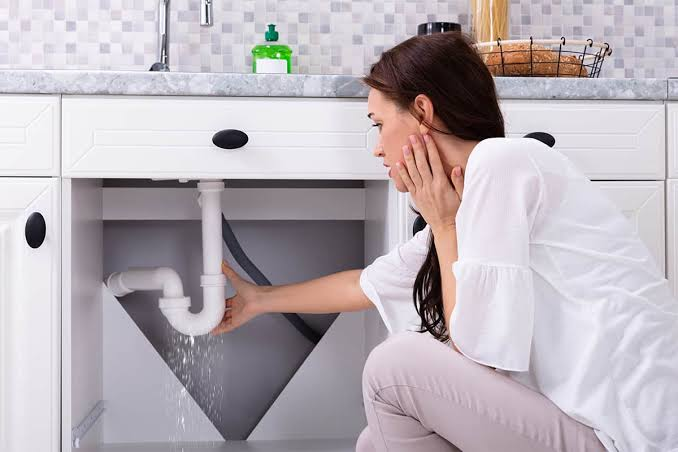
Look beneath sinks and around toilets. Check washing-machine hoses, refrigerator water connections, water heaters, and air-conditioning drains. Even small drips can raise humidity in enclosed cabinets or wall cavities.
Rainwater should flow away from the foundation. Keep gutters clear and confirm that downspouts discharge a suitable distance from the building. Soil that slopes toward the house may direct water into basement walls.
Advice found through property maintenance and business resources often stresses the value of early repairs. Replacing a worn seal or clearing a drain usually costs far less than repairing mold-damaged walls, flooring, or framing.
Change Daily Moisture-Producing Habits
Small household choices can noticeably affect humidity. Shorter showers release less steam. Keeping lids on cooking pots reduces evaporation. Drying bathroom surfaces after use prevents water from slowly returning to the air.
Whenever possible, dry laundry outdoors or use a dryer vented directly outside. Avoid hanging large amounts of wet clothing inside closed rooms. If indoor drying is necessary, increase ventilation and use a dehumidifier nearby.
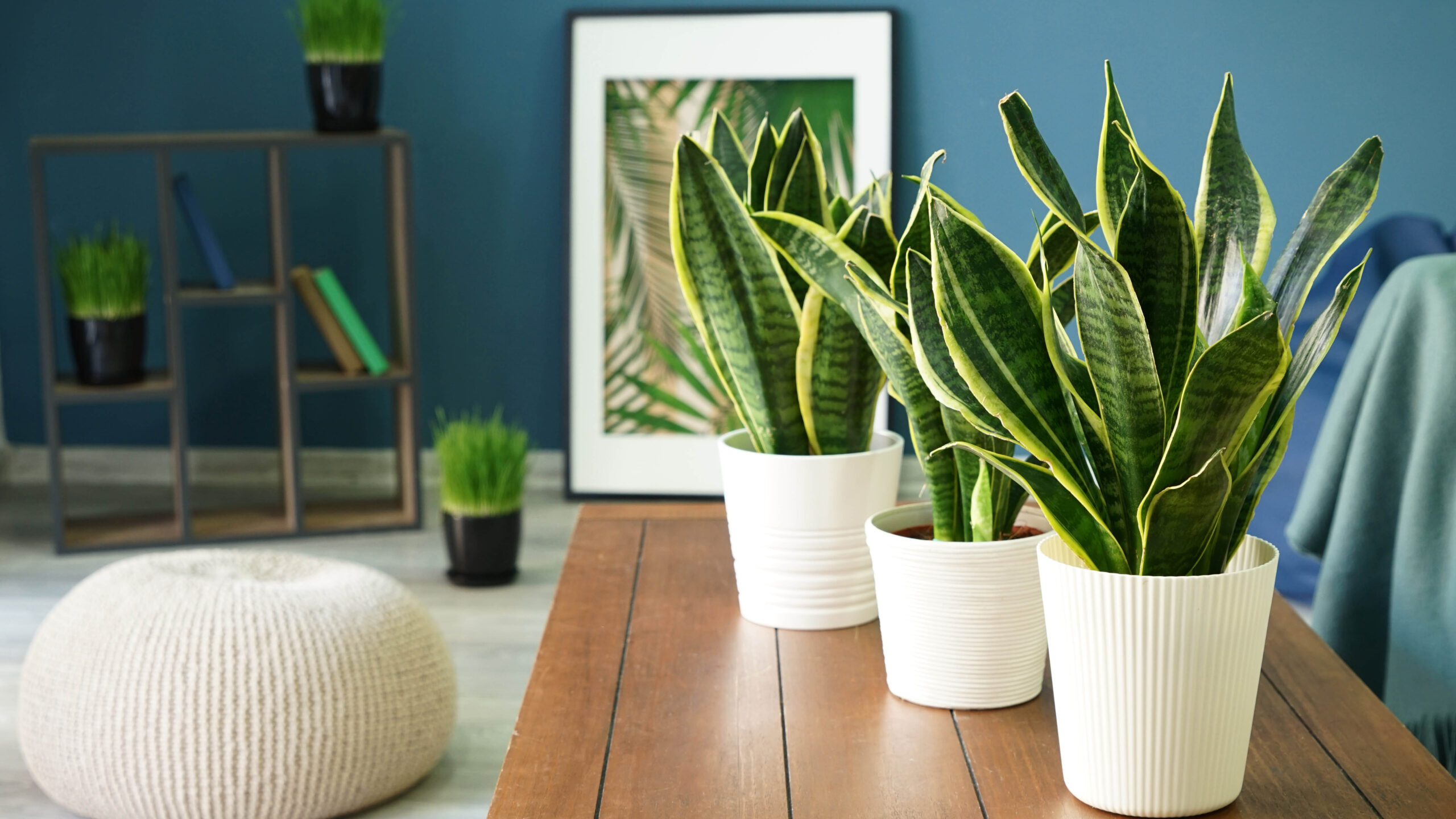
Do not overwater houseplants. Empty standing water from saucers and consider moving some plants out of rooms that already feel damp. Firewood should be stored outdoors because it can release moisture and bring insects inside.
Keep interior doors open when safe so conditioned air can circulate. However, close off a severely damp basement while a dehumidifier operates if open doors would spread moisture into the rest of the house.
Maintain Heating and Cooling Equipment
Air-conditioning systems remove moisture while cooling, but they must be correctly maintained. Dirty filters, clogged drains, weak airflow, or incorrectly sized equipment can reduce moisture removal.
Replace or clean filters on schedule. Keep supply and return vents clear of furniture. Have blocked condensate drains repaired promptly because overflow can create an additional water problem.
An air conditioner that cools the room too quickly may switch off before removing enough moisture. A qualified technician can evaluate whether the system is operating correctly. Do not attempt complicated electrical or refrigerant repairs without appropriate training.
During cooler months, steady indoor temperatures can reduce condensation on exterior walls and windows. Allowing rooms to become extremely cold and then heating them suddenly may cause moisture to settle on chilled surfaces.
Improve Airflow Around Walls and Furniture
Stagnant pockets of air frequently develop behind wardrobes, beds, sofas, and cabinets. When furniture touches a cool exterior wall, moisture can collect where nobody sees it.
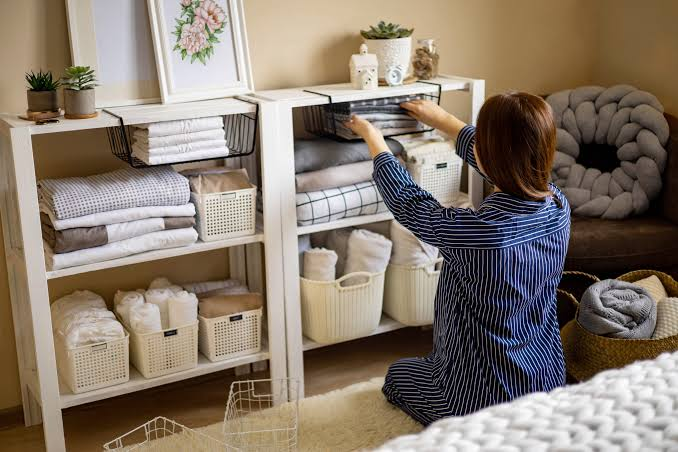
Leave a small gap between large items and the wall. Avoid filling closets completely. Use ventilated shelving when possible and keep stored fabrics dry.
Open curtains during part of the day to allow air and warmth to reach windows. Heavy drapes left closed against cold glass can trap condensation. Wipe wet frames and sills before water damages surrounding materials.
Seasonal home improvement ideas can include weatherstripping, insulation, ventilation upgrades, and drainage maintenance. These improvements reduce humidity by correcting the building conditions that create it.
Create a Long-Term Humidity Plan
Indoor humidity control works best as an ongoing routine. Monitor problem rooms, run ventilation during moisture-producing activities, maintain dehumidifiers, and inspect for leaks after storms or plumbing work.
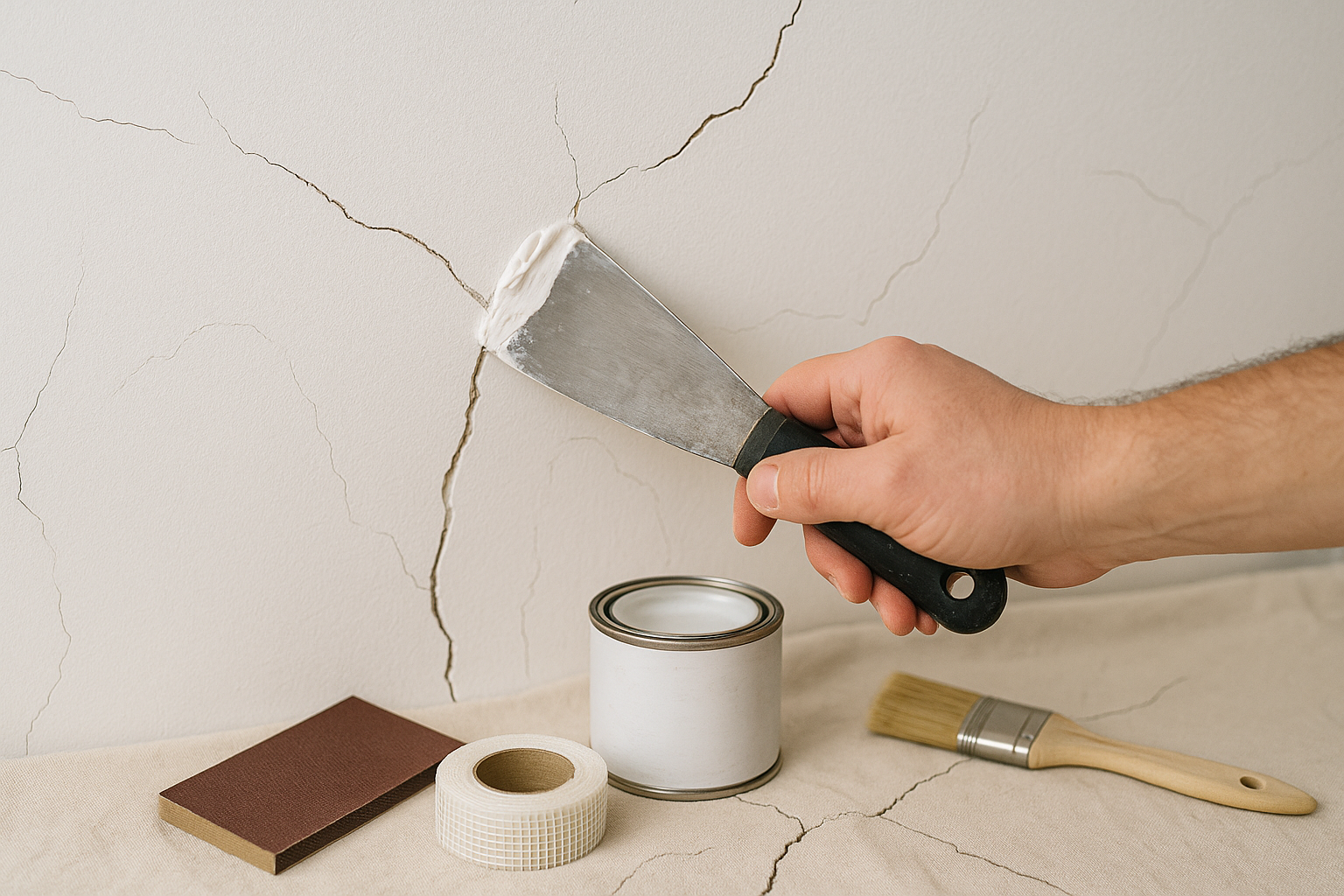
Do not cover dampness with paint, fragrance, or decorative panels. These measures can hide symptoms while moisture continues damaging the building. Find the source before making cosmetic repairs.
Balanced humidity protects walls, floors, furniture, clothing, and indoor comfort. The best results come from combining reliable measurements with sensible habits and timely maintenance. Once water entry is stopped and moist air is regularly removed, the home becomes easier to cool, cleaner-smelling, and less vulnerable to mold.