Energy-saving advice often sounds designed for either brand-new houses or large renovation budgets. In practice, every home has room for improvement. Apartments, older properties, family houses, and rental units can all use less energy when people understand where waste begins.
The best energy-saving tips are the ones that fit normal daily life. A complicated routine may last for a week, while a small automatic habit can continue for years. The goal is not to make your home darker, colder, or less comfortable. It is to get the same result with less wasted power.
Learn How Your Home Uses Energy
Before buying new equipment, study your household routine. Note when heating, cooling, cooking, laundry, and entertainment devices are used. Patterns are often more revealing than individual appliances.
A home may have efficient lighting yet still waste energy because the air conditioner runs beside open windows. Another family may carefully manage the thermostat but operate half-empty laundry loads every day. Good personal finance and saving ideas support the same principle: understand repeated behavior before spending money on a solution.
Review energy bills across different seasons. Compare usage with similar months from the previous year when possible. This helps you see whether a recent increase came from weather, occupancy, equipment problems, or careless habits.
Set the Thermostat With Purpose
Choose a comfortable thermostat setting and avoid changing it every hour. Heating and cooling systems perform better when they follow a sensible schedule. Frequent extreme changes can increase run time without improving comfort.
During summer, use ceiling fans in occupied rooms so you can feel comfortable at a slightly warmer thermostat setting. Fans cool people rather than empty spaces, so turn them off when the room is vacant.
During winter, wear suitable indoor clothing and lower the temperature slightly while sleeping or away from home. Do not lower it so far that pipes, pets, plants, or vulnerable household members are placed at risk.
A programmable or smart thermostat can help households with regular schedules. Set it around actual waking, working, and sleeping times. Automation is useful only when the schedule matches real life.
Protect Conditioned Air
Every unit of heated or cooled air costs money. When that air escapes through gaps, poor insulation, or open doors, the HVAC system must replace it.
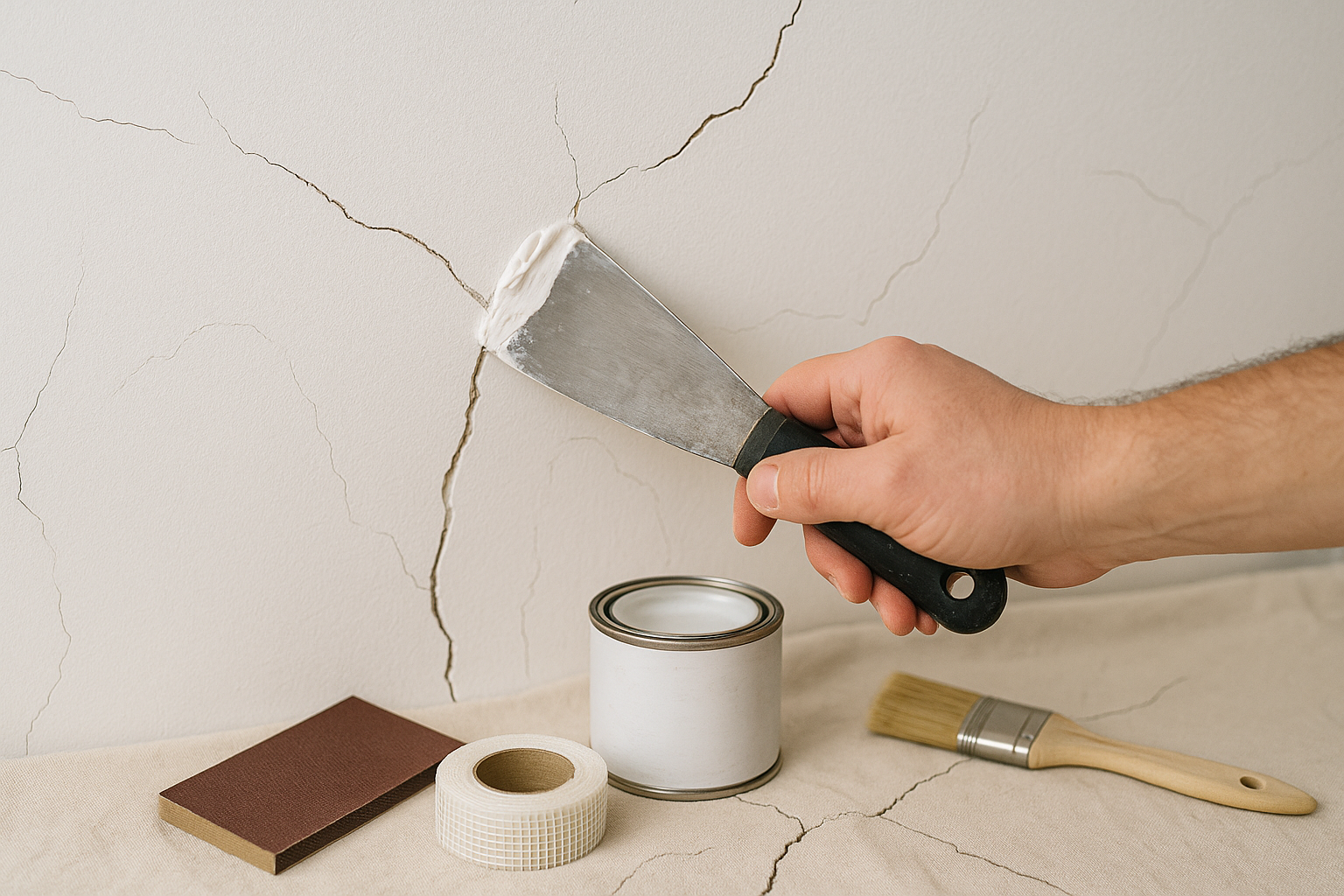
Inspect weatherstripping around exterior doors and windows. Replace damaged sections and seal small stationary gaps with the correct caulk. Use draft stoppers for temporary control, particularly in rentals where permanent work may require approval.
Check the attic access, fireplace damper, basement entrance, and openings around utility lines. These areas are often ignored because they are outside normal living spaces. Yet they can allow large amounts of air movement.
For larger repairs, compare options carefully and use dependable home maintenance service guidance before hiring someone. Clear information about the problem helps you request accurate estimates and avoid paying for work that does not address the true source of energy loss.
Use Appliances More Efficiently
An efficient appliance can still waste electricity when used poorly. Run the dishwasher only when it is full and choose an economy setting when available. Skip heated drying if dishes can air-dry with the door slightly open after the cycle ends.
Wash full loads of clothing with cold water unless sanitation or fabric care requires heat. Clean the dryer lint filter after every cycle and avoid mixing heavy towels with lightweight garments.
Use the microwave, toaster oven, pressure cooker, or air fryer for small portions when they suit the meal. A full-size oven heats a large space and may warm the kitchen enough to increase summer cooling needs.
Keep refrigerator doors closed and decide what you need before opening them. Check seals by closing the door on a strip of paper. If it slides out easily in several places, the gasket may need cleaning, adjustment, or replacement.
Unplug rarely used devices or connect entertainment and office equipment to switchable power strips. Standby electricity seems small, but it continues hour after hour.
Make Lighting Work Smarter
Replace the bulbs used most often with LEDs. A hallway lamp that runs all evening should be upgraded before a closet bulb used for two minutes each week.
Use task lighting instead of illuminating an entire room. A focused lamp beside a desk, reading chair, or kitchen work area may allow several overhead fixtures to remain off.
Keep windows, shades, and fixtures clean. Natural light becomes less useful when glass is dusty or heavy furniture blocks it. Arrange frequently used areas where daylight is available.
Timers, dimmers, and motion sensors can reduce waste in bathrooms, garages, outdoor areas, and hallways. Choose controls that match how people move through the home rather than installing technology for appearance alone.
Reduce the Cost of Hot Water
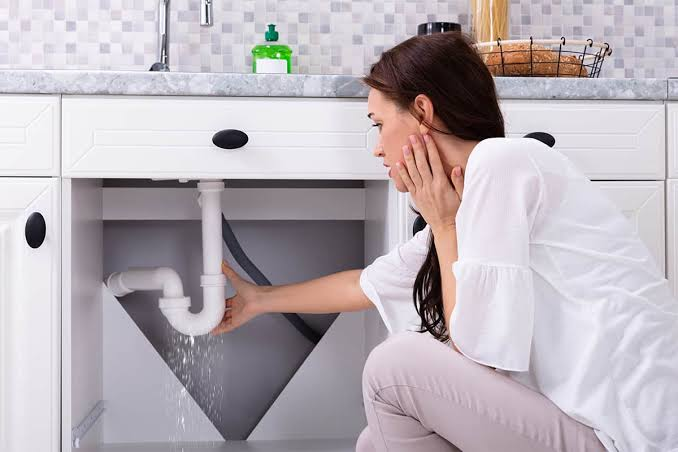
Take shorter showers and use an efficient showerhead. Fix hot-water leaks quickly because every drip wastes both water and heating energy.
Use cold water for routine laundry and rinse dishes without leaving the hot tap running. If your dishwasher cleans effectively without pre-rinsing, scrape food into the trash or compost instead.
Insulate accessible hot-water pipes where appropriate. Keep the area around the water heater clear and arrange periodic maintenance based on the equipment type. A neglected heater may run longer, make unusual noises, or lose efficiency gradually.
Choose Purchases Based on Lifetime Cost
A cheap appliance can become expensive when it consumes more energy every month. Before buying, compare capacity, expected usage, repair support, and estimated operating cost.
Do not automatically buy the largest model. An oversized refrigerator, television, air conditioner, or water heater may use more energy than your household requires. Right-sizing is one of the least discussed energy-saving decisions.
Financial publications that discuss long-term household cost decisions can help consumers think beyond the purchase price. The best bargain is often the product that performs reliably without creating years of high operating costs.
Match Improvements to Your Location
Energy priorities change by climate and building type. Shade may matter most in a hot region, while insulation and draft control may offer greater value in a cold area. Humid locations may need better moisture management alongside cooling improvements.
Local utility programs, housing rules, and contractor availability also differ. Reviewing local home and property information can help homeowners understand which upgrades are common and practical in their communities.
Every home can save energy, but no single tip carries the entire job. Control heating and cooling, keep conditioned air indoors, operate appliances thoughtfully, reduce hot-water waste, and make smarter purchases. When these habits work together, lower energy use becomes part of normal life rather than a temporary challenge.