Decluttering is often presented as a dramatic project that requires an entire weekend, dozens of storage boxes, and difficult decisions about every object in the house. That approach can make the process feel exhausting before it begins.
A calmer method focuses on small areas, simple decisions, and realistic progress. You do not need to empty every cupboard at once or create a perfectly minimalist home. The goal is to make your space easier to use and maintain.
People exploring simple household improvement guidance should begin by identifying the areas that cause the most frustration. A crowded kitchen counter, an overflowing wardrobe, or a cluttered entrance can affect daily life more than a messy storage room that is rarely used.
Start With One Small and Visible Area
Choose an area that can be completed in less than thirty minutes. This might be one kitchen drawer, a bedside table, a bathroom shelf, or the top of a desk. Finishing a small space creates visible progress and makes the next task feel easier.
Avoid beginning with sentimental belongings. Old photographs, family documents, gifts, and childhood items require more emotional energy. Start with objects that are easier to evaluate, such as expired products, broken tools, duplicate utensils, or clothing that no longer fits.
Remove everything from the selected area and wipe the surface clean. Sort the contents into four basic groups: keep, move, donate, and discard. Do not create too many categories because complicated sorting can slow the process.
Return only the items that belong in that specific location. Objects that should be moved can be placed in a temporary basket and distributed after the area is finished.
Use Short Decluttering Sessions
Long sessions can lead to fatigue and rushed decisions. Set a timer for fifteen or twenty minutes and stop when it ends. A short session is easier to begin because it does not take over the entire day.
You might declutter one shelf before breakfast, clear a drawer while waiting for dinner, or sort a small clothing category before bed. These sessions may appear insignificant, but consistent work produces substantial results over several weeks.
Following realistic home organization ideas can help households avoid the pressure of completing everything immediately. Decluttering should fit around work, family responsibilities, and personal energy levels.
Create a simple schedule if clutter exists throughout the house. For example, work on the kitchen during the first week, bedrooms during the second, and shared living areas during the third. This keeps the project focused and prevents half-finished piles from appearing in every room.
Make Decisions With Practical Questions
Many people become stuck because they ask whether an item might be useful someday. Almost anything could be useful under unusual circumstances, so this question rarely leads to a clear decision.
Instead, ask when the object was last used, whether it serves a current need, and whether another item already performs the same function. Consider how difficult or expensive it would be to replace if it were genuinely needed later.
Clothing should fit comfortably, support your present lifestyle, and be something you would choose to wear now. Keeping clothes for a future body size, an outdated workplace, or an imagined event can consume valuable wardrobe space.
Kitchen items should earn their place through regular use. A specialty appliance that has remained untouched for several years may not deserve more space than tools used every day.
Paperwork can be evaluated according to legal, financial, or personal importance. Shred documents containing private information and digitize records that do not need physical copies.
Remove Unwanted Items Quickly
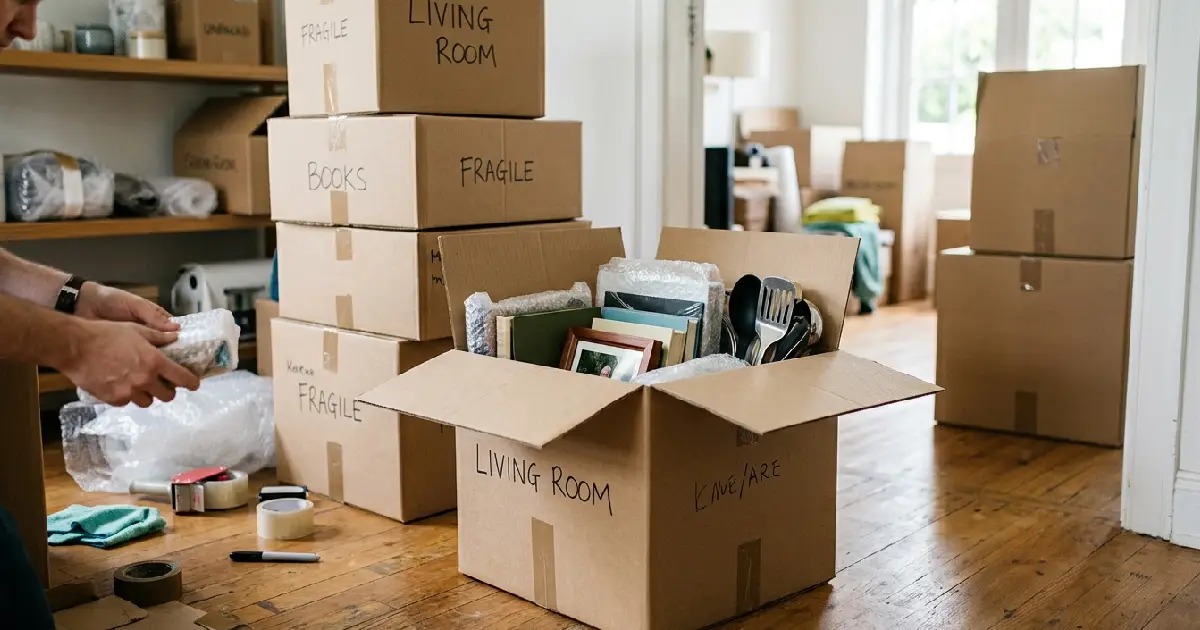
Decluttering is not complete while donation bags and unwanted furniture remain inside the home. Create a clear exit plan before beginning a large sorting session.
Place donation bags directly in the car or near the front door. Schedule a collection for larger items. Recycle packaging and discard broken objects immediately rather than creating a new holding area.
Selling unwanted belongings can recover some money, but it may also delay progress. Set a minimum value for items worth listing. Low-value objects can be donated unless selling them is genuinely worth the time required for photographs, messages, and collection arrangements.
Useful decluttering and lifestyle advice should account for the emotional cost of keeping a home filled with objects waiting to be sold. Sometimes reclaiming the space is more valuable than earning a small amount of money.
Set a deadline for listed items. Anything that has not sold within the chosen period can be reduced in price, donated, or recycled.
Avoid Buying Storage Too Early
Storage containers do not solve clutter when the home contains more belongings than the available space can reasonably support. Buying boxes before sorting may simply hide the problem.
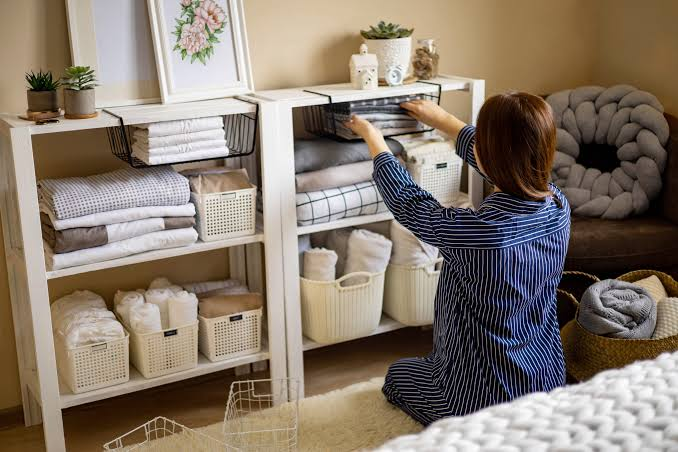
Declutter first, then measure the objects that remain. Choose containers based on specific categories and available dimensions. A basket should have a clear purpose rather than becoming a place for unrelated items.
Use open containers for objects that are accessed frequently and closed boxes for occasional items. Clear bins work well in cupboards, garages, or under beds because the contents remain visible.
Leave breathing room on shelves and inside drawers. An area filled to maximum capacity will become disorganized as soon as one additional item enters the space.
A well-organized home does not need every possession hidden. It needs a sensible balance between accessible items, concealed storage, and open surfaces.
Handle Sentimental Belongings Carefully
Sentimental items require a slower process. Give yourself permission to keep meaningful objects, but establish reasonable boundaries so memories do not occupy every available cupboard.
Choose a specific container, drawer, or shelf for personal keepsakes. The physical limit makes decisions easier because the most meaningful items must be prioritized.
Photograph large objects that carry memories but no longer serve a practical purpose. A photograph can preserve the story without requiring the original object to remain in the home.
When sorting inherited belongings, remember that letting go of an object does not remove the relationship or memory connected to it. Keep the pieces that genuinely represent the person rather than retaining every possession out of guilt.
Households seeking practical property and living insights can treat decluttering as a way to make the home support current life rather than store every stage of the past.
Prevent Clutter From Building Again
Once an area is cleared, decide how it will be maintained. Place frequently used items where they can be returned easily. Complicated storage systems often fail because they require too much effort.
Adopt a simple one-in, one-out rule for categories that grow quickly, such as clothing, toys, books, or kitchen gadgets. When a new item enters, choose an older one to donate or discard.
Create a regular reset routine. Ten minutes each evening can return objects to their assigned places, clear surfaces, and prepare the home for the next day.
Be more selective when shopping. Consider where an item will be stored, how often it will be used, and whether something similar is already owned.
Decluttering without stress is not about making hundreds of decisions in one day. It is about reducing the burden gradually and creating systems that are simple enough to maintain. Small completed areas will eventually connect, leaving the entire home calmer and easier to manage.