Denver’s weather can change quickly, and those shifts can place considerable stress on commercial roofing systems. Hail, heavy rain, strong winds, snow, and rapid temperature fluctuations can all affect a roof in different ways. For property owners dealing with visible or suspected storm damage, professional Denver roofing repair can be an important step toward addressing vulnerable areas before they develop into more extensive problems.
Some storm related roofing issues are immediately noticeable, while others remain hidden until water intrusion or structural deterioration becomes more serious. For commercial property owners and managers, responding quickly after severe weather can help protect the building, limit additional damage, and keep repair requirements manageable.
Denver Storms Can Be Tough On Commercial Roofs
Colorado is known for weather conditions that can put roofing materials to the test. Hail is a particular concern because even relatively short storms can damage membranes, flashing, coatings, drainage components, and other exposed roof features. Strong winds may also loosen materials or affect roof edges and rooftop equipment.
Heavy rain creates another challenge. A roof that performed adequately before a storm may begin leaking if flashing has shifted, seams have opened, or existing weak areas have worsened. Snow and ice may add weight and moisture, and frequent freezing and thawing can put additional stress on damaged materials.
The combined effects mean a roof does not necessarily need to suffer dramatic visible damage to require attention.
Visible Damage Is Only Part Of The Problem
After a major storm, property owners may look for obvious signs such as missing materials, standing water, damaged flashing, or leaks inside the building. These issues certainly deserve attention, but not every roofing problem can be identified from ground level.
Small punctures and cracks can allow moisture to enter gradually. Water may travel beneath roofing materials before appearing inside, making the source of a leak difficult to identify. Moisture trapped within the roofing assembly can also affect insulation and other building components over time.
For this reason, waiting for a ceiling stain or active leak is not always the best approach. A professional inspection following significant weather can help identify concerns before they develop into larger problems.
Prompt Repairs Can Limit Further Damage
A relatively small area of storm damage may be repairable when discovered early. If it remains exposed to additional rain, wind, snow, or temperature changes, however, the affected area can deteriorate further.
Water intrusion is especially important to address. Once moisture gets beneath a commercial roofing system, it may spread beyond the original point of entry. This can increase the scope of necessary repairs and potentially affect interior spaces, equipment, inventory, ceilings, and insulation.
Arranging Denver roofing repair soon after storm damage is identified can help contain the problem. Instead of allowing a compromised section to face another round of severe weather, property owners can take steps to restore the roof’s protective function.
Roof Inspections Provide Valuable Information
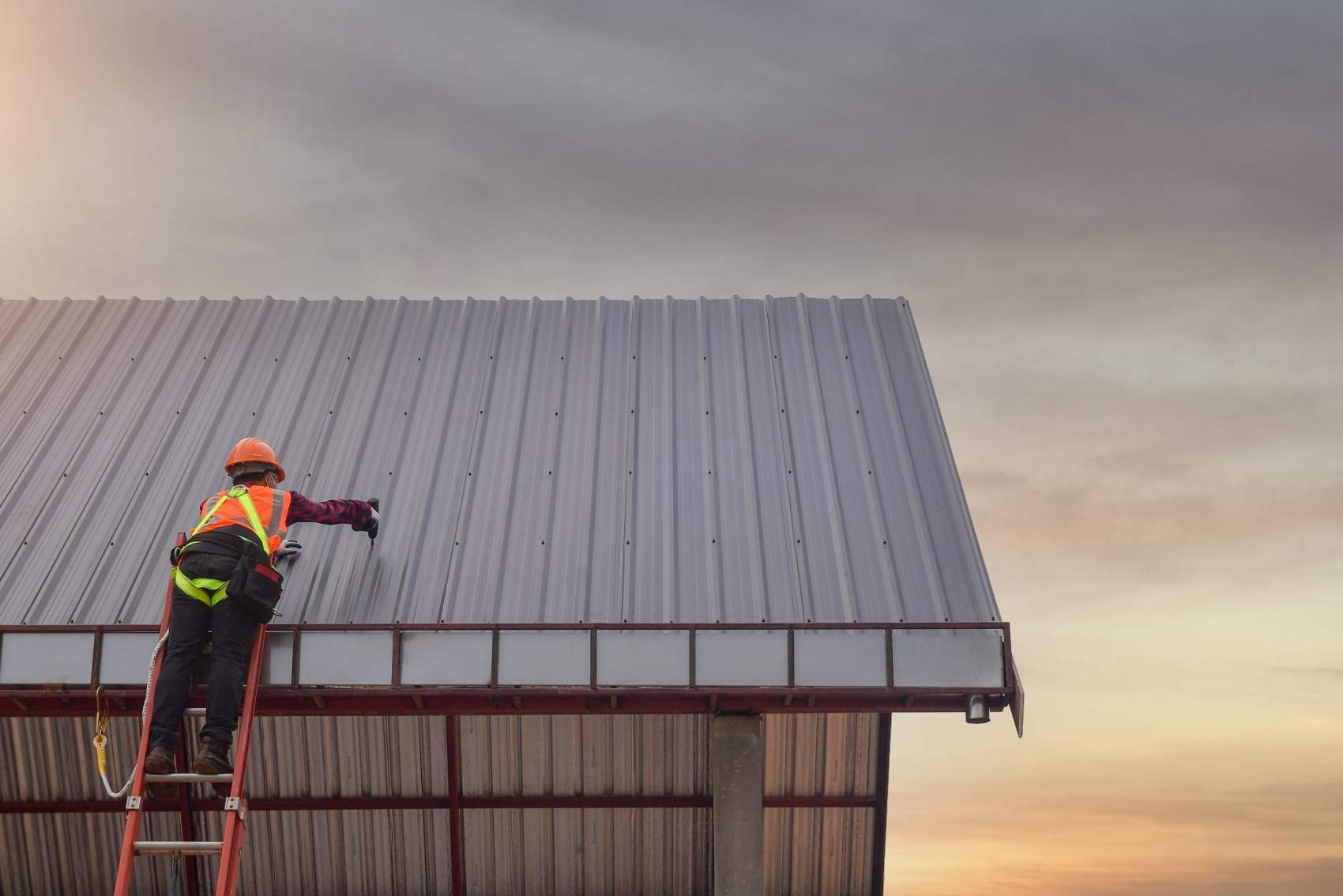
A post-storm inspection gives property owners a clearer picture of the roof’s condition. Roofing professionals can examine areas that are particularly vulnerable to weather damage, including seams, penetrations, flashing, drainage systems, roof edges, membranes, and areas surrounding rooftop equipment.
Documentation can also be useful. Photographs, notes, and repair records create a history of the roof’s condition and the work completed over time. Maintaining these records can support future maintenance decisions and make it easier to track recurring trouble spots.
Regular inspections also help distinguish recent storm damage from deterioration that developed gradually because of age or previous wear.
Business Operations Depend On A Reliable Roof
Commercial roof damage is not simply a building maintenance concern. An unresolved leak can interfere with normal business activities. Water entering an office, retail location, warehouse, or industrial property can create inconvenient and potentially expensive disruptions.
Businesses may need to move equipment, protect products, close sections of a building, or arrange emergency work if roof damage becomes severe. Addressing problems earlier can reduce the likelihood of reaching that stage.
A proactive response is particularly valuable for property managers responsible for multiple buildings. Establishing an inspection and repair process before storm season can make it easier to respond consistently when severe weather arrives.
Maintenance Matters Between Storms
Storm preparation should not begin when dark clouds appear over Denver. Routine maintenance throughout the year can help keep a commercial roofing system better prepared for challenging weather.
Drains should remain clear so water can move away efficiently. Loose flashing, aging sealants, membrane problems, and other weaknesses should be addressed during routine inspections. Keeping the roof in sound condition reduces the number of vulnerable areas that a storm can exploit.
Property owners should also pay attention to previous repair locations. Areas that have experienced leaks or damage in the past may deserve additional inspection after severe weather.
Protecting The Roof Means Protecting The Property
Denver’s unpredictable weather makes commercial roof care an ongoing responsibility. Hail, wind, rain, snow, and temperature changes can create damage that ranges from immediately obvious to difficult to detect.
Prompt roof attention after a storm gives property owners an opportunity to identify problems early and make informed repair decisions. Combined with regular inspections and preventive maintenance, timely repairs can help extend roof performance, reduce the risk of water intrusion, and protect the people, equipment, and operations inside the building.
For Denver businesses, paying attention to the roof immediately after severe weather is a practical investment in the long-term condition and reliability of the entire property.