A home should provide relief from traffic, conversations, appliances, footsteps, and neighborhood activity. Yet sound can travel through walls, doors, windows, ceilings, floors, and even small gaps that appear harmless. Once several noise sources overlap, a room can feel tiring and difficult to enjoy.
Reducing household noise does not always require rebuilding walls or installing professional studio materials. Many effective improvements involve sealing openings, rearranging furniture, adding soft surfaces, and changing where noisy activities take place. Thoughtful quiet home design ideas can produce meaningful results without removing the personality of a room.
Identify Where the Noise Enters
Before purchasing sound-reducing products, spend time locating the source of the problem. Stand quietly in the affected room and listen near windows, doors, walls, vents, and electrical outlets.
Street noise often enters through windows and gaps around exterior doors. Voices or television sounds from another room may pass through a lightweight interior wall or under a door. Footsteps from upstairs are usually transferred through the floor and ceiling structure.
Listen at different times of day. A room that seems peaceful during the afternoon may become noisy during morning traffic or late-night activity. Identifying the loudest periods helps determine which improvement should be addressed first.
It is also useful to distinguish between airborne noise and impact noise. Voices, music, and traffic are airborne sounds. Footsteps, moving chairs, and dropped objects create impact vibrations that travel through solid surfaces.
No single product blocks every type of noise. Understanding the route sound follows prevents money from being spent on decorative products that do little to solve the actual problem.
Seal Gaps Around Doors and Windows
Sound travels easily through air openings. A small gap beneath a door may allow conversations, television noise, and hallway activity to pass directly into a bedroom.
Install weatherstripping around door frames where light or air can be felt. A door sweep can cover the gap at the bottom without preventing normal movement. For interior rooms, a fabric draft stopper may offer a simple temporary solution.
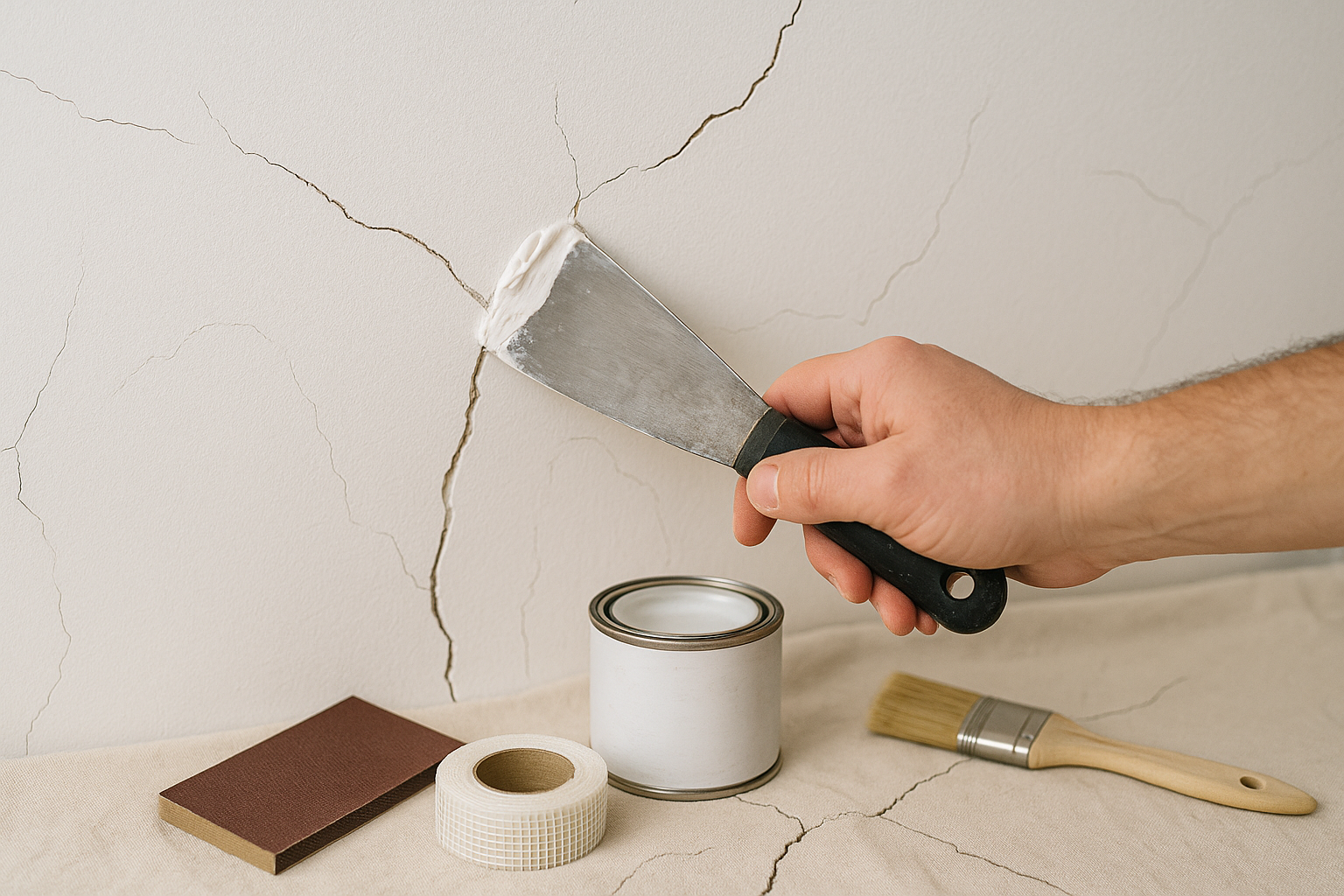
Exterior windows should close firmly against their frames. Worn seals, cracked caulk, and loose hardware can allow both noise and outdoor air to enter. Repairing these areas may improve temperature control as well as sound reduction.
Curtains cannot completely soundproof a window, but heavy, tightly woven panels can soften high-frequency sounds and reduce echoes near glass. Extend curtains beyond the edges of the window so more of the surrounding wall is covered.
These basic improvements often appear in practical household improvement tips because inexpensive sealing work can sometimes produce a larger difference than decorative acoustic panels.
Add Soft Materials to Hard Rooms
Rooms filled with glass, tile, bare walls, and hard flooring reflect sound. A conversation may seem louder because each word bounces around the space instead of fading quickly.
Area rugs help absorb footsteps and reduce reflections from hard floors. Place a rug under seating areas or in the main walking path. A rug pad adds extra softness and prevents the rug from moving.
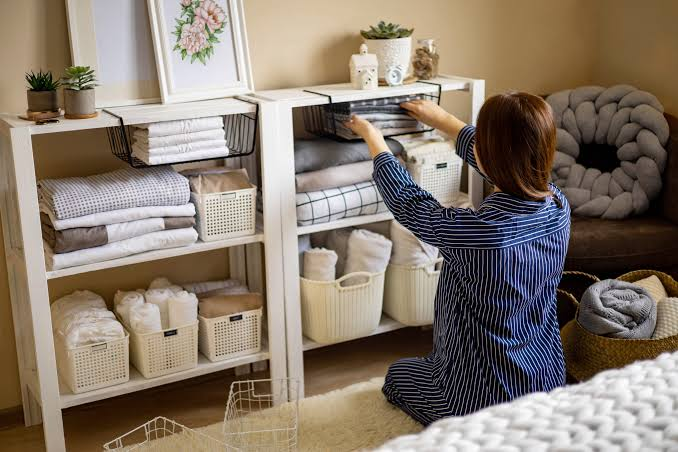
Curtains, fabric blinds, upholstered furniture, cushions, and blankets also absorb sound. These materials are especially useful in living rooms, bedrooms, and home offices.
Large fabric wall hangings can soften empty walls without making a room look like a recording studio. Canvas artwork provides less absorption than thick fabric, but it can still break up a broad, reflective surface.
Bookshelves filled with books create irregular surfaces that scatter sound. Positioning a full bookshelf against a shared wall may reduce the clarity of voices coming from the next room.
The goal is not to cover every surface. A balanced mix of soft and hard materials makes the room quieter while preserving a clean, comfortable appearance.
Rearrange Furniture Strategically
Furniture placement can influence how sound moves between rooms. Large, solid pieces provide more resistance than small decorative items.
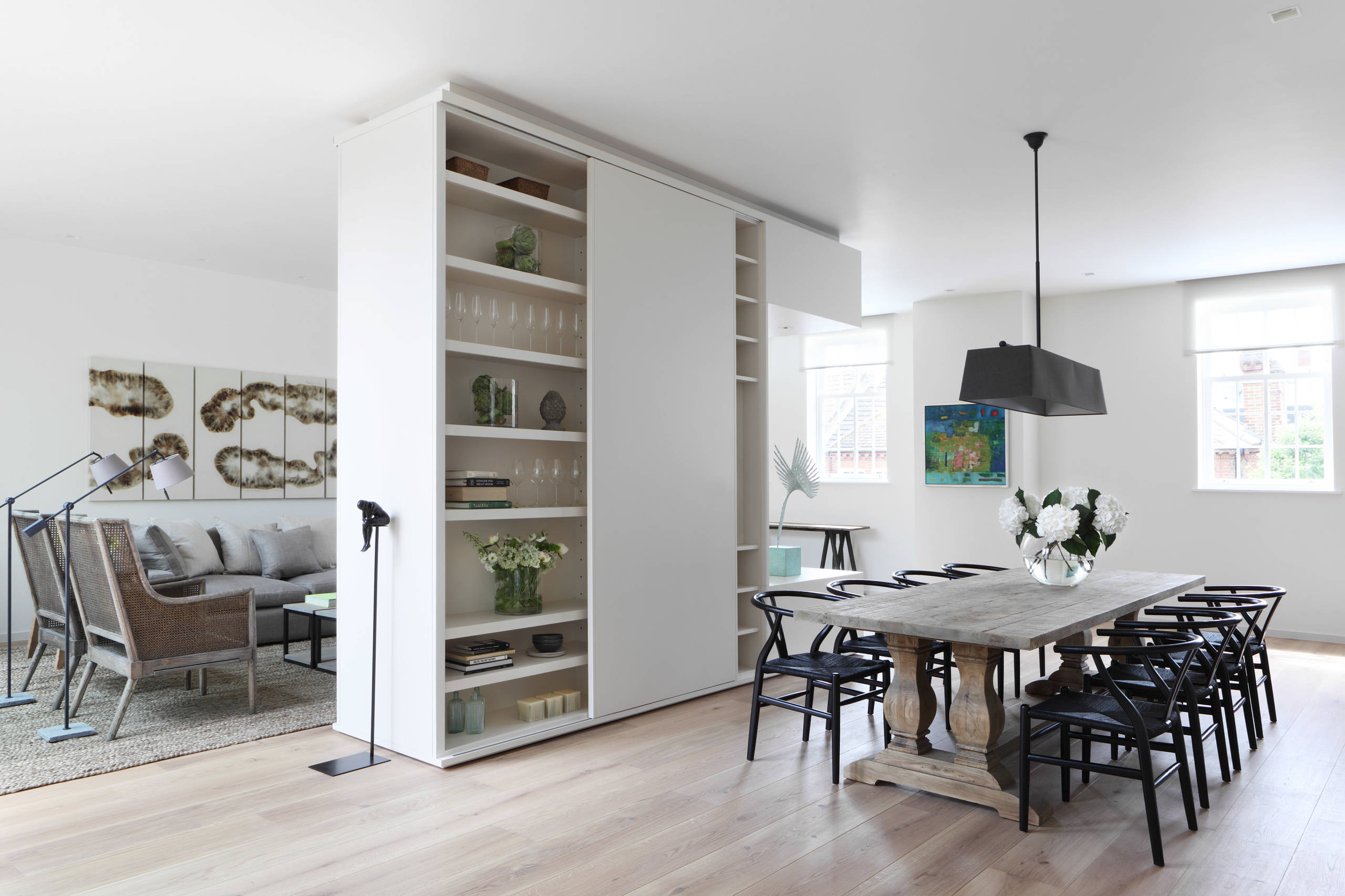
Place wardrobes, bookcases, or storage cabinets against walls shared with noisy rooms. Leave a small gap for airflow when necessary, but cover as much of the problem wall as reasonably possible.
Move beds and desks away from noisy walls. Even a small change in position may reduce the amount of sound heard while sleeping or working.
In open living areas, sofas and shelving units can create informal zones that interrupt direct sound paths. A tall shelving unit should be secured properly, especially in homes with children or pets.
Avoid placing televisions and speakers directly against shared walls. Move them to an interior wall and keep speakers away from corners, where low-frequency sound may become stronger.
A rearranged room may provide greater improvement than expected because distance and barriers both reduce how clearly sound reaches the listener.
Reduce Noise From Household Equipment
Many household noises come from appliances rather than neighbors. Washing machines, dryers, refrigerators, fans, air conditioners, and dishwashers can vibrate against floors or cabinets.
Check whether appliances stand level. An unbalanced washing machine may shake loudly during the spin cycle. Adjustable feet can often correct the problem.
Place vibration-reducing pads beneath appropriate appliances. These pads help prevent mechanical movement from transferring into the floor. Avoid blocking required ventilation around equipment.
Loose fan covers, cabinet panels, pipes, and shelves may rattle when nearby machinery operates. Tightening screws or adding small protective pads can stop repeated contact between hard surfaces.
Run loud appliances at considerate times, especially when bedrooms or home offices are nearby. Closing laundry or kitchen doors can limit how far the sound spreads.
Regular maintenance matters as well. A new noise may indicate a worn component, obstruction, or mechanical problem. Addressing it early may prevent further damage.
Create Quieter Sleeping and Working Areas
Bedrooms and workspaces deserve priority because noise can interrupt rest and concentration. Choose the quietest available room for these activities whenever possible.
Position the head of the bed away from exterior windows or shared walls. Add a padded headboard to soften sound near the sleeping area.
A solid interior door generally blocks more sound than a lightweight hollow door. Replacing a door may be worthwhile when conversations and hallway noise remain a serious problem.
For home offices, place the desk where noise is least distracting. A bookshelf, curtain, or upholstered screen may help define the workspace.
Sound masking can also help. A fan, air purifier, or white-noise machine produces steady background sound that makes sudden noises less noticeable. Keep the volume low enough to remain comfortable.
Many examples of calm living inspiration focus on controlling unpredictable sounds rather than trying to create complete silence. A steady, gentle background can make traffic or distant voices easier to ignore.
Set Household Noise Boundaries
Physical improvements work best when combined with considerate routines. Establish quiet hours for television, music, vacuuming, and laundry.
Use headphones for late-night entertainment. Place felt pads beneath chair legs so furniture can be moved without scraping the floor.
Encourage family members to close doors gently rather than allowing them to slam. Soft-close cabinet hardware can reduce repeated kitchen noise.
Children need space to play, but louder activities can be directed away from bedrooms, study areas, or shared walls. Rugs and foam play mats can reduce impact noise.
Communicate calmly with neighbors when sound regularly crosses shared boundaries. A respectful conversation may solve problems that no curtain or rug can fully address.
Build a More Peaceful Home Gradually
Complete soundproofing can be expensive because it often requires structural work. Most households, however, do not need absolute silence. They need to reduce the loudest and most distracting sounds.
Begin with the simplest steps: seal door gaps, repair window seals, add rugs, move furniture, and maintain noisy appliances. Test the room after each improvement so you know which changes have the greatest effect.
The best everyday comfort guidance recognizes that peaceful rooms are created through several small layers. Each layer absorbs, blocks, scatters, or masks part of the unwanted sound.
Reducing indoor noise is ultimately about making the home easier to sleep, work, talk, and relax in. Careful listening and targeted improvements can turn an echoing or disruptive room into a calmer place without an expensive renovation.