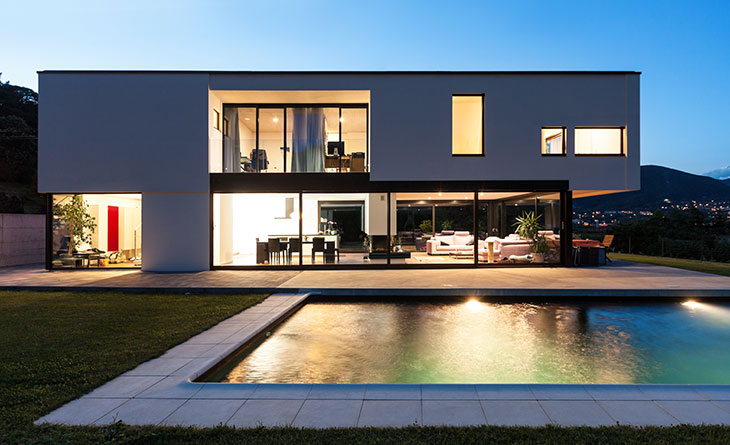
A home should do more than look attractive on the day it is completed. The best homes continue to meet the changing needs of the people living in them for many years. While trends come and go, thoughtful design creates spaces that remain practical, comfortable, and efficient through every stage of life. From flexible layouts to durable materials, every decision made during planning can influence how well a home performs in the future.
Homeowners who focus on functionality from the beginning often enjoy lower maintenance costs, greater convenience, and stronger long term value. Instead of chasing temporary styles, investing in practical design ensures that a home remains enjoyable regardless of changing preferences or family needs.
Prioritize Flexible Living Spaces
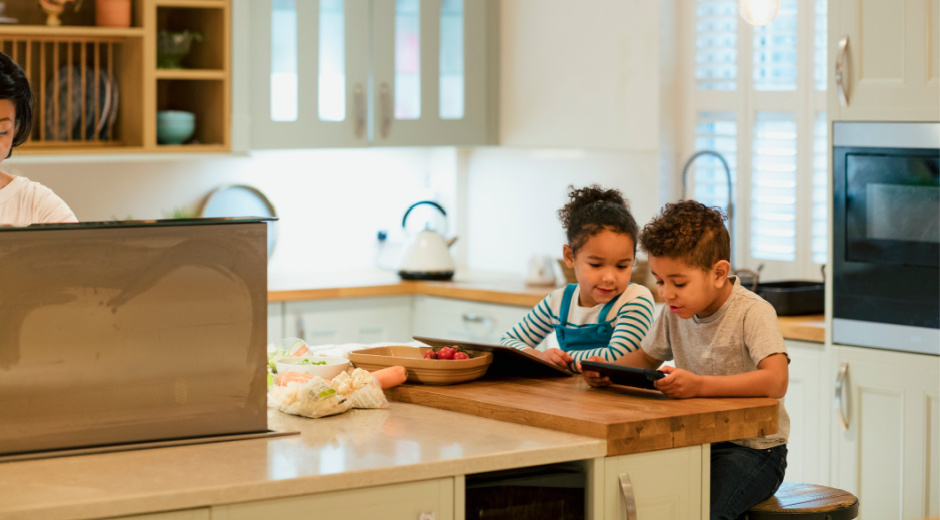
One of the smartest design strategies is creating rooms that can serve multiple purposes. A guest bedroom today may become a home office tomorrow, while a playroom may later transform into a study area or hobby room. Flexible layouts allow homeowners to adapt without major renovations.
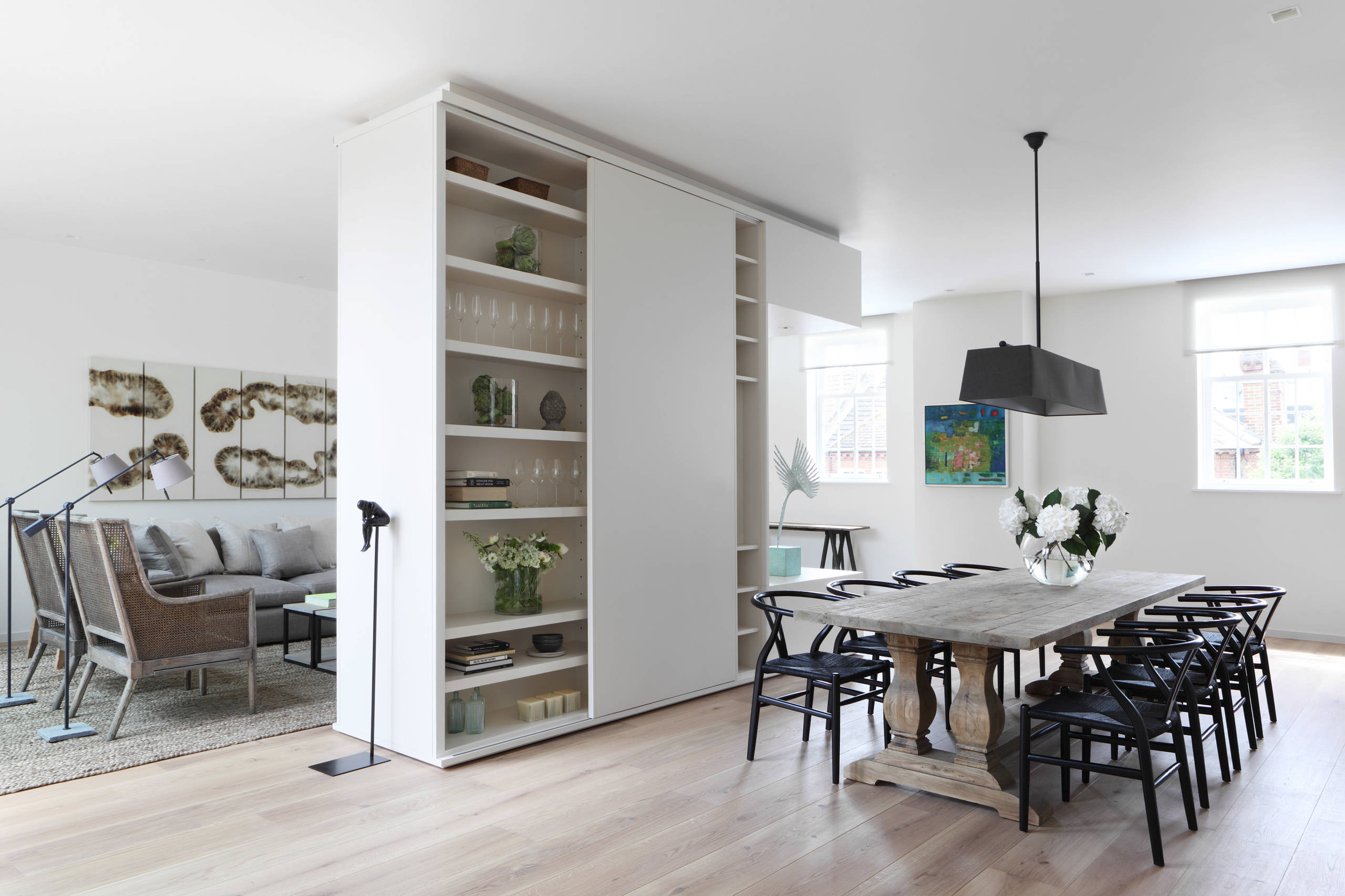
Open floor plans can also improve functionality by making it easier to rearrange furniture, entertain guests, or accommodate growing families. Spaces that can evolve naturally provide lasting value and reduce the need for expensive remodeling projects later.
Choose Durable Materials for Everyday Use
Beautiful finishes are important, but durability should always be part of the decision making process. Flooring, countertops, cabinetry, and exterior materials experience daily wear, making quality materials a worthwhile investment.
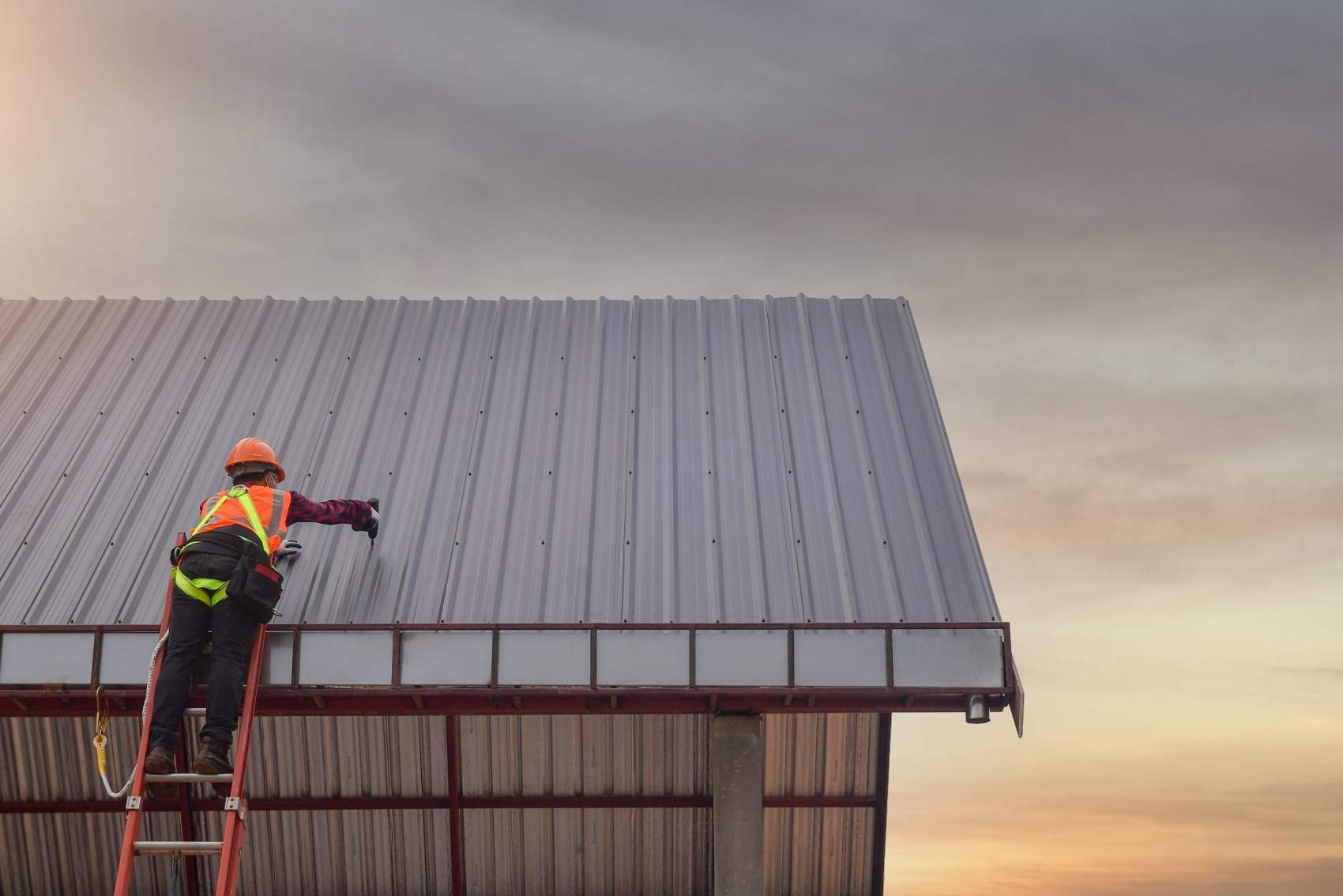
Scratch resistant flooring, moisture resistant cabinetry, and weather durable exterior finishes help minimize repairs while maintaining the home’s appearance. Homeowners who want to know more about long lasting home construction often discover that selecting durable materials saves both time and money over the life of the property.
Create Comfortable and Efficient Work Areas
As remote work and flexible schedules become increasingly common, functional workspaces have become essential. A dedicated office or quiet study area improves productivity while keeping work separate from personal living spaces.
Similarly, practical kitchens, laundry rooms, and utility spaces contribute significantly to daily convenience. Efficient layouts reduce unnecessary movement and make household tasks easier to complete.
Even resources such as hkrnl jobs demonstrate how organized planning and efficient systems can improve everyday experiences, whether at work or at home.
Plan Storage Before Decorating
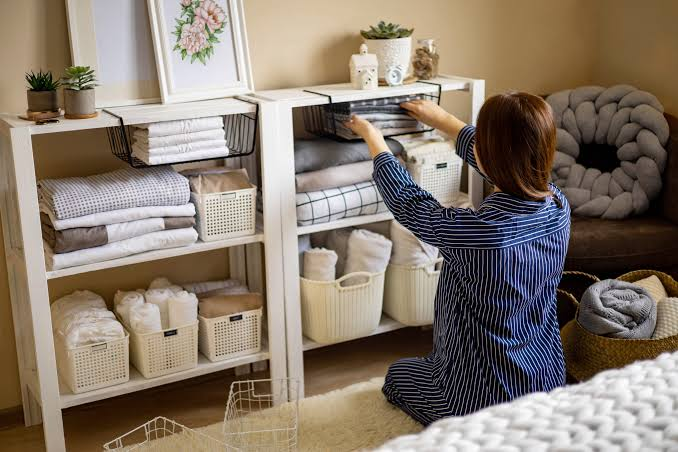
Storage is one of the most overlooked elements of home design. Attractive interiors quickly become cluttered when there is insufficient space for everyday belongings.
Built in cabinets, under stair storage, custom closets, and multifunctional furniture help maximize available space without sacrificing aesthetics. Well planned storage keeps living areas organized while making daily routines more efficient.
Rather than adding storage as an afterthought, incorporating it into the original design creates cleaner, more functional living environments that remain practical for years.
Design With Future Technology in Mind
Technology continues to shape modern homes. Installing extra electrical outlets, structured wiring, and flexible networking options during construction makes future upgrades much easier.
Many homeowners also prepare for smart lighting, home security systems, energy management tools, and automated appliances. Forward thinking infrastructure allows the home to adapt as technology evolves without requiring extensive reconstruction.
Planning ahead reduces future costs while ensuring the home remains compatible with emerging innovations.
Focus on Energy Efficiency
Energy efficient homes remain functional because they cost less to operate while providing greater comfort throughout the year.
Proper insulation, energy efficient windows, quality ventilation, and modern heating and cooling systems help maintain consistent indoor temperatures. Natural daylight also reduces electricity consumption while creating brighter, healthier living spaces.
Many homeowners researching property related information through platforms like www.banglarbhumi.news also recognize the importance of sustainable building practices that increase long term property value.
Design for Easy Maintenance
Low maintenance homes allow homeowners to spend more time enjoying their property instead of constantly repairing it.
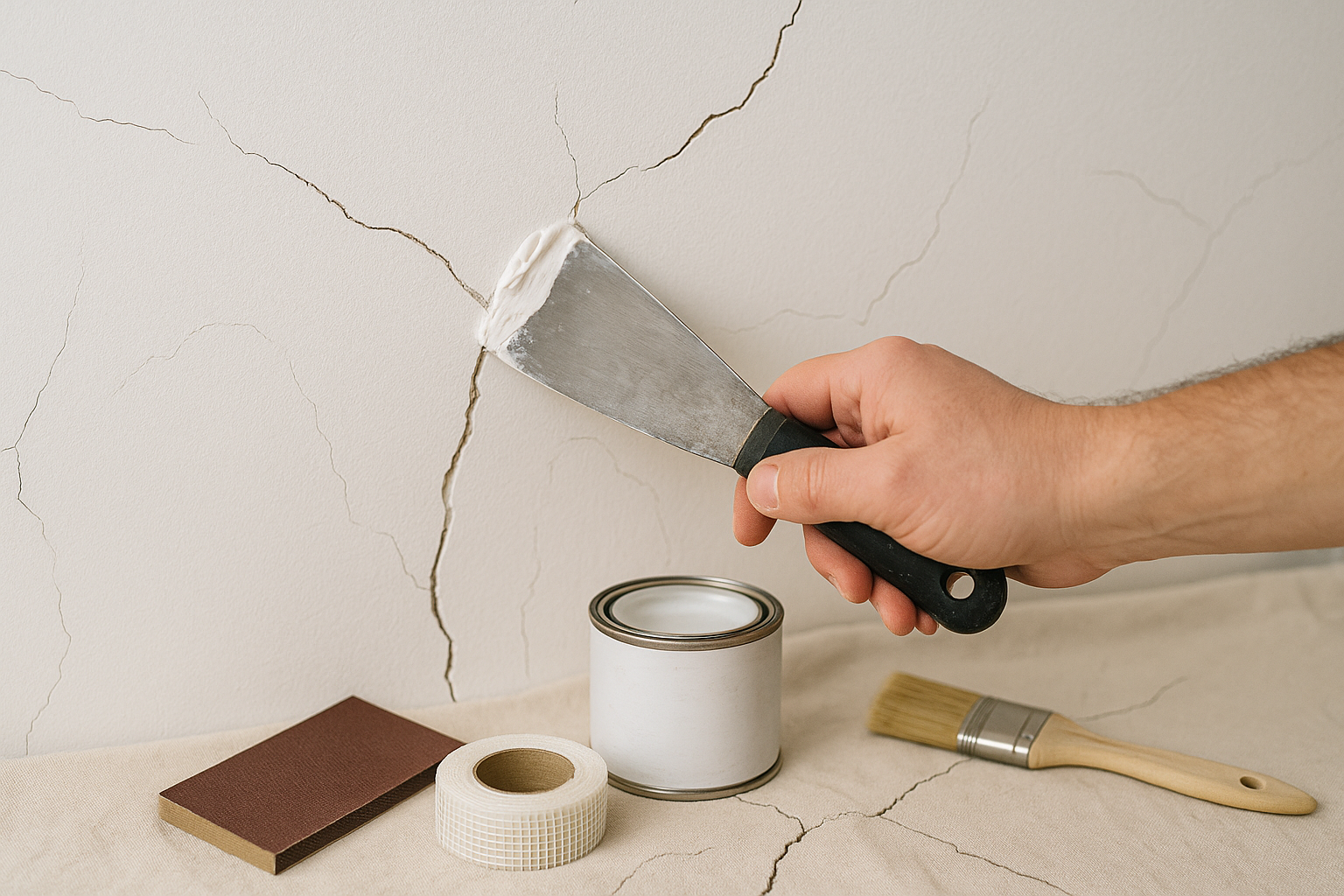
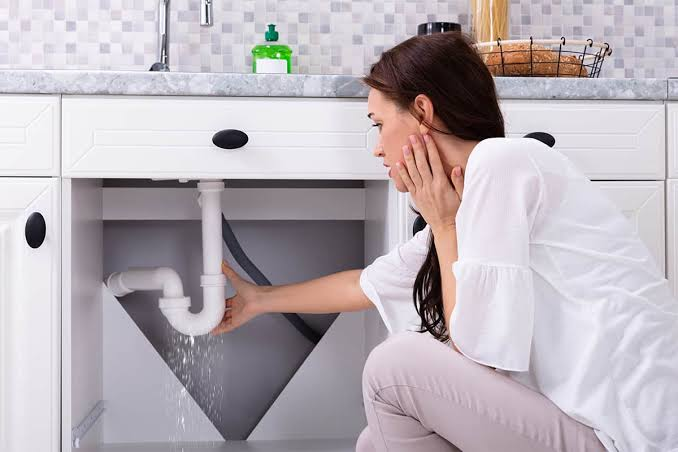
Selecting stain resistant surfaces, easy to clean flooring, weather resistant landscaping, and accessible utility systems simplifies routine upkeep. Plumbing, electrical panels, and HVAC equipment should be positioned for convenient servicing whenever maintenance becomes necessary.
Simple maintenance friendly decisions often deliver significant savings throughout the lifetime of the home.
Build With Changing Family Needs in Mind
Families naturally evolve over time. Children grow older, relatives may move in, and accessibility requirements may change.
Wider hallways, step free entrances, larger bathrooms, and adaptable living areas provide greater flexibility without affecting the home’s appearance. These thoughtful design choices support comfortable living for people of all ages.
Information platforms such as Pmmvy Portal remind us that planning for the future often produces better outcomes, and the same principle applies when designing a home that can accommodate changing lifestyles.
Invest in Timeless Design Principles
While decorative trends constantly change, timeless design remains relevant. Neutral color palettes, quality craftsmanship, balanced proportions, and practical layouts create interiors that continue to look appealing year after year.
Reliable resources like Mahabhulekh Portal highlight the importance of organized information and careful planning. Likewise, a well designed home reflects thoughtful preparation rather than short term trends.
A timeless approach also makes future decorating easier since classic spaces can be updated with new furniture or accessories without requiring structural changes.
Conclusion
Homes that remain functional for years are rarely the result of chance. They are built through careful planning, durable materials, flexible layouts, efficient storage, energy conscious features, and timeless design principles. Every thoughtful decision contributes to a living environment that continues to meet changing needs while maintaining comfort, beauty, and value. By focusing on long term functionality instead of temporary trends, homeowners create spaces that support everyday life for many years to come.