Household pests are often attracted by simple conditions: accessible food, standing water, clutter, damaged screens, and small gaps in the building. Natural pest control focuses on correcting these conditions before reaching for strong chemical treatments.
The goal is not to fill a home with scented remedies or untested mixtures. Effective natural pest management begins with cleanliness, moisture control, physical barriers, monitoring, and targeted low-risk methods. These steps can help prevent ants, flies, cockroaches, spiders, pantry insects, rodents, and other unwanted visitors.
Remove Accessible Food Sources
Food is one of the strongest pest attractants. Crumbs behind appliances, grease near the stove, open cereal boxes, pet food, and poorly sealed garbage can support insects or rodents.
Wipe food preparation surfaces after every use. Sweep kitchen and dining areas regularly, including beneath furniture and appliances. Clean the toaster tray, stove edges, cabinet corners, and spaces beside refrigerators.
Store dry foods in durable containers with secure lids. This is particularly important for flour, rice, cereal, pasta, sugar, dried fruit, nuts, and pet treats.
Check pantry goods before storing them. Packages containing small holes, webbing, larvae, or unusual dust should be discarded in a sealed bag.
Many practical home management ideas emphasize prevention because eliminating attractants is usually easier than controlling a developed infestation.
Reduce Water and Indoor Humidity
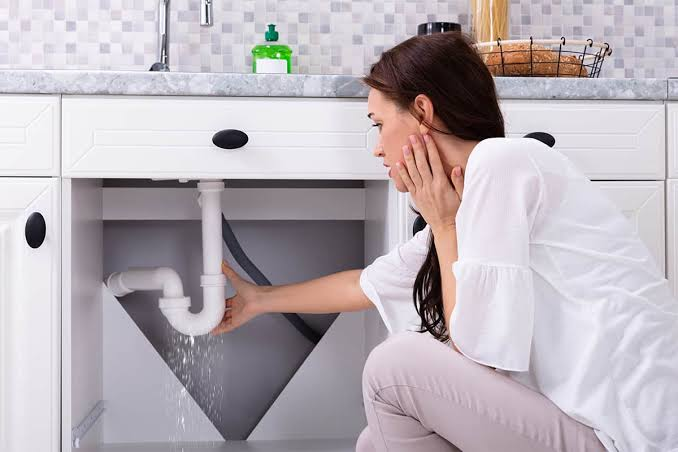
Insects and rodents require water as well as food. Repair dripping faucets, leaking pipes, damaged seals, and moisture beneath sinks. Dry bathroom floors and kitchen counters rather than allowing water to remain overnight.
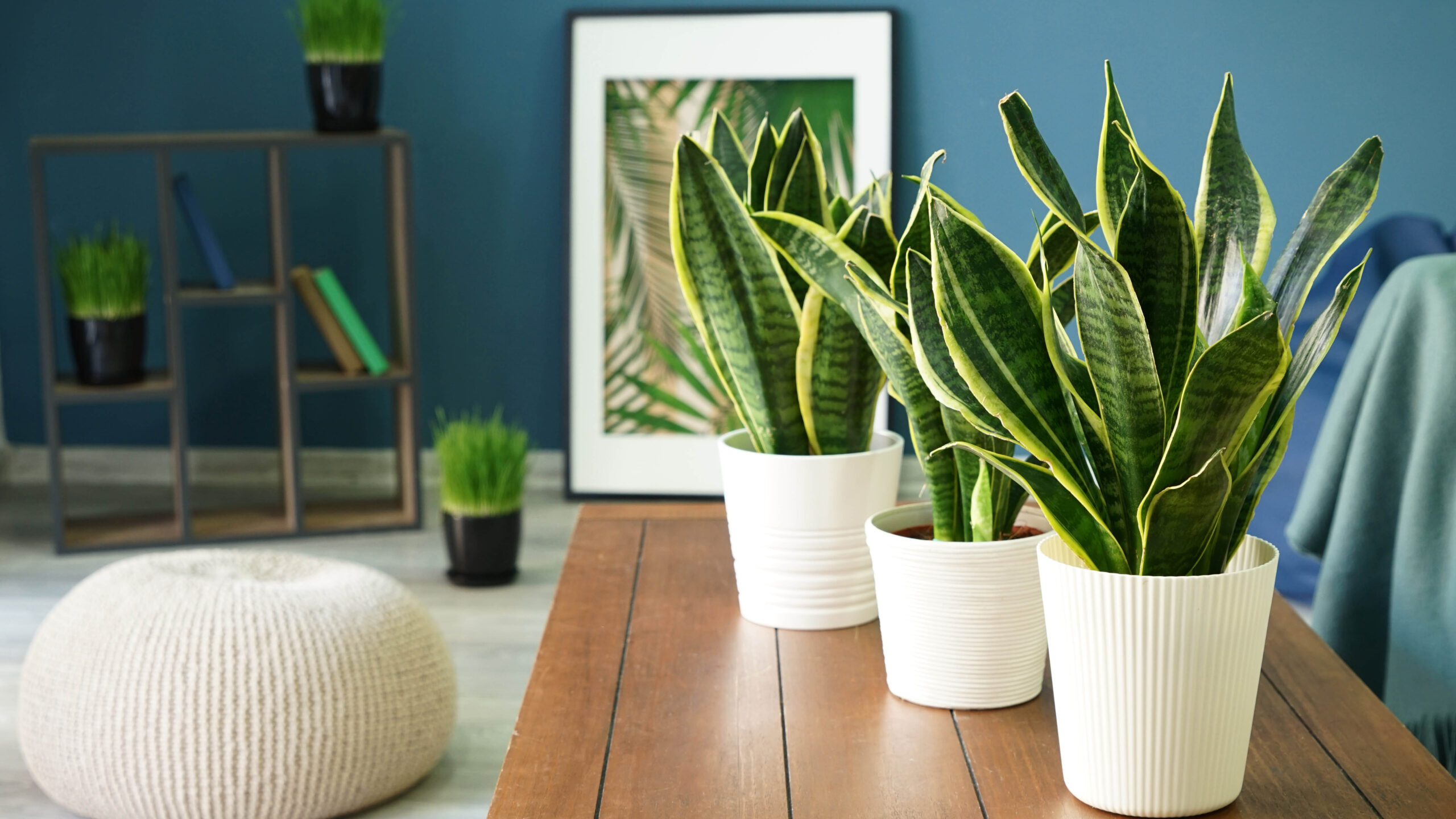
Empty plant saucers and inspect condensation around windows. Basements, laundry rooms, and crawl spaces may require improved ventilation or a dehumidifier.
Cockroaches, silverfish, mosquitoes, and some ants are especially attracted to damp conditions. Reducing humidity makes the environment less suitable for them.
Outdoor drainage matters too. Gutters should direct water away from the foundation, and containers that collect rainwater should be emptied. Standing water in buckets, toys, blocked drains, or plant pots can support mosquito breeding.
Seal Openings Around the Building
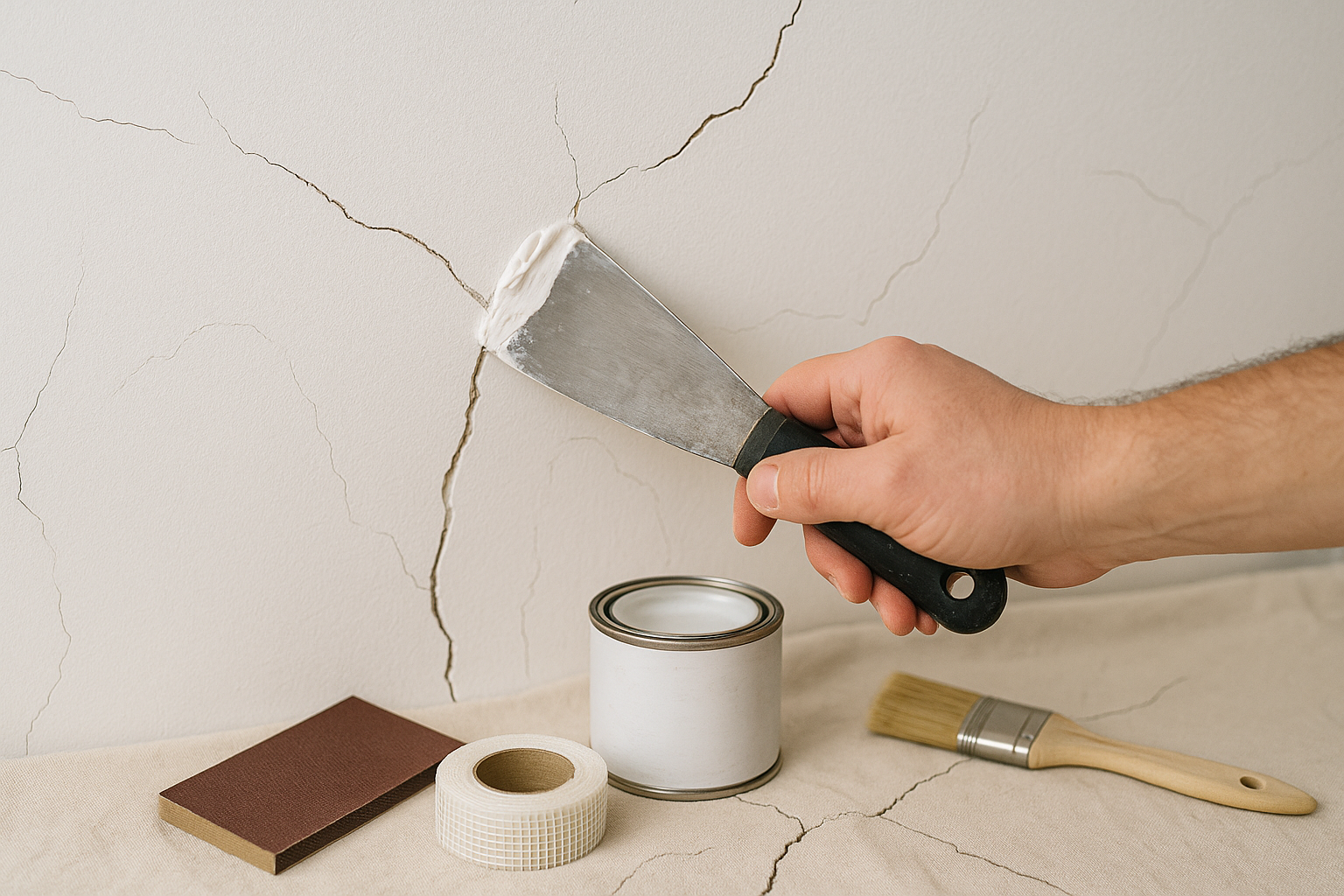
Physical exclusion is one of the safest natural pest control methods. Inspect the exterior of the home for cracks, holes, damaged screens, and gaps around doors or utility lines.
Apply suitable sealant around windows, pipes, vents, and foundation cracks. Replace worn door sweeps and weatherstripping. Repair torn screens before opening windows during warm weather.
Use metal mesh for larger openings that cannot be filled with sealant alone. Rodents may chew through soft materials, so durable barriers are important.
Inside the home, close gaps around cabinets, baseboards, plumbing lines, and wall penetrations. A detailed Toronto household care guide can provide additional ideas for organizing seasonal inspection tasks.
Use Soap and Water for Insect Trails
For ants and some crawling insects, ordinary soap and water can be useful for immediate cleanup. Wiping an ant trail removes food residue and reduces the scent marks guiding other ants.
A mild dish-soap solution can also remove insects from washable surfaces without leaving a strong pesticide residue. Test any cleaning solution on a small hidden area first, especially on painted, wooden, or delicate surfaces.
This method controls insects that are directly contacted, but it does not normally eliminate nests hidden inside walls or outdoors. Combine it with sealing, sanitation, and monitoring.
Avoid combining multiple household chemicals. Certain mixtures can release dangerous fumes or damage surfaces.
Install Screens and Physical Barriers
Window screens, door screens, vent covers, and mesh barriers prevent many flying pests from entering. Inspect them for small tears and loose edges.
Mosquito netting can provide extra protection around sleeping or outdoor sitting areas. Food covers can keep flies away from meals served outside.
For rodents, place metal mesh over suitable vents and gaps while maintaining proper airflow. Chimney caps may prevent animals or birds from entering through the roof.
Door sweeps are particularly useful for garages, kitchens, patios, and basement entrances. Light should not be visible beneath a closed exterior door.
These improvements support wider home safety and prevention practices while reducing the need for repeated pest treatments.
Manage Outdoor Vegetation
Plants and landscaping can create sheltered pathways toward the home. Trim shrubs so they do not press against siding or cover ventilation openings. Cut tree branches that touch the roof.
Remove leaf piles, fallen fruit, weeds, and decaying plant material near foundations. Store firewood above the ground and several feet away from the building when space allows.
Mulch should not be piled deeply against exterior walls. Thick, constantly damp mulch can provide shelter for insects.
Keep grass trimmed around outdoor equipment and utility areas. Garden compost should be maintained properly and positioned away from doors and windows.
Use Traps for Monitoring and Control
Traps can control certain pests without spraying chemicals throughout the home. Sticky traps can reveal where crawling insects are active, while snap traps are commonly used for rodents.
Place monitoring traps along walls, beneath sinks, behind appliances, and near suspected entry points. Check them regularly and keep them away from children and pets.
Rodent traps should be positioned according to the manufacturer’s instructions. Avoid handling captured animals directly, and clean contaminated areas using suitable protective measures.
Traps are most effective when food sources have been removed. Otherwise, pests may ignore the trap because easier food is available elsewhere.
Apply Natural Repellents Carefully
Peppermint, citronella, cedar, citrus, and other strong scents are frequently described as natural pest repellents. Some may temporarily discourage certain pests, but results are inconsistent.
Essential oils are concentrated substances and should not automatically be considered harmless. Some can irritate skin, affect breathing, damage surfaces, or be unsafe around pets.
Never apply essential oils directly to animals, bedding, food surfaces, or children’s play areas unless a qualified professional has confirmed the use is appropriate.
Treat scented repellents as a supporting measure, not the foundation of a pest control plan. Cleaning and exclusion usually produce more dependable results.
Protect Pantry Products Naturally
Pantry pests often arrive inside food packaging rather than entering through doors or windows. Inspect grains, flour, spices, nuts, pet food, and dried products before placing them in cupboards.
Transfer vulnerable foods into clear sealed containers. Clear storage makes insects easier to notice and prevents an infestation from spreading between packages.
Vacuum pantry corners and shelf holes, then empty the vacuum outside. Wash shelves and allow them to dry completely before replacing food.
Natural household guidance from Calgary lifestyle resources may also help families build simple cleaning schedules that keep storage areas easier to inspect.
Avoid Common Homemade Treatment Risks
Online pest remedies may recommend bleach, fuel, concentrated oils, powders, or mixtures of several cleaning products. These methods can create unnecessary health and fire hazards.
Never use outdoor pesticides inside the home. Do not apply products to mattresses, food surfaces, toys, or pet areas unless the label specifically permits that use.
Powders should not be spread where they can become airborne. Fine particles may irritate the eyes and lungs, particularly in children or people with breathing conditions.
Natural pest control should reduce risks, not create new ones. Use the least hazardous effective method and follow product instructions whenever a commercial treatment is needed.
Call a Professional for Serious Infestations
Natural prevention works best before pest numbers become large. Professional assistance may be necessary for termites, bed bugs, repeated cockroach activity, hidden wasp nests, dangerous wildlife, or rodents inside walls.
A qualified pest professional can identify the species, assess the extent of the problem, and recommend targeted treatment. Ask whether exclusion, monitoring, heat, bait, or other reduced-risk options are available.
Continue natural prevention after professional treatment. Sealing gaps, storing food correctly, controlling moisture, and maintaining cleanliness reduce the chance of another infestation.
The best natural pest control methods are rarely dramatic. They are practical habits repeated consistently. A clean, dry, well-sealed, and carefully monitored home gives pests fewer opportunities to enter, feed, hide, and reproduce.