Plumbing problems rarely arrive at a convenient time. A faucet begins dripping during the night, a toilet keeps running before guests arrive, or the kitchen sink backs up while dinner is being prepared. Many common issues can be corrected with basic maintenance, but homeowners must understand where simple work ends and professional repair begins.
Ignoring a small plumbing problem often increases water waste and property damage. Early action can protect cabinets, flooring, walls, fixtures, and appliances. The following problems are among the most common issues found in homes.
Dripping Faucets
A dripping faucet can waste a surprising amount of water over time. The cause is often a worn washer, cartridge, O-ring, seal, or valve seat.
Begin by turning off the water supplies under the sink. Close the drain so small parts cannot fall into it. Remove the faucet handle and inspect the internal components according to the fixture design.
Compression faucets may need a new washer. Cartridge faucets commonly require cartridge replacement. Ceramic-disc and ball-style faucets use different components, so purchasing the correct replacement part is essential.
Take the old part to a hardware store when identification is difficult. Reassemble the faucet carefully and avoid overtightening small screws or plastic components.
Running Toilets
A toilet that runs continuously may have a worn flapper, incorrect float setting, tangled chain, leaking fill valve, or damaged flush-valve seal.
Remove the tank lid and observe what happens after flushing. The flapper should lift, release water, and then seal the opening completely. Replace it when it looks warped, cracked, or stiff.
Make sure the chain has slight slack. A chain that is too tight can hold the flapper open, while excessive slack may prevent a complete flush.
If water keeps flowing into the overflow tube, adjust the float or replace the fill valve. Most replacement kits include clear instructions, but shut off the toilet supply before removing any tank component.
Slow Drains
A slow drain usually develops because hair, soap residue, grease, food particles, or mineral deposits have narrowed the pipe.
Remove visible debris from the drain opening. Clean the stopper because hair often wraps around its lower section. A sink plunger may dislodge a shallow blockage when used with enough water to cover the plunger cup.
A flexible drain snake can reach clogs located deeper in the branch line. Rotate it gently instead of forcing it through bends.
Avoid mixing commercial drain cleaners. Chemical combinations can produce dangerous heat, fumes, or splashing. Repeated chemical use may also damage certain pipes and create risks for anyone who later opens the plumbing.
Clogged Toilets
Most toilet clogs result from excessive paper, non-flushable wipes, hygiene products, or small objects.
Use a flange-style toilet plunger rather than a flat sink plunger. Place the flange inside the drain opening and create a firm seal. Begin with gentle pressure to remove trapped air, then use controlled pushes and pulls.
When plunging fails, a toilet auger can break through or retrieve a blockage without scratching the porcelain when used correctly.
Stop flushing if the bowl is already full. Another flush may cause an overflow. Shut off the supply valve, remove some water if necessary, and address the blockage before testing again.
Recurring clogs may indicate a blocked drain line, poor venting, damaged pipe, or low-performing toilet.
Leaking Pipes and Connections
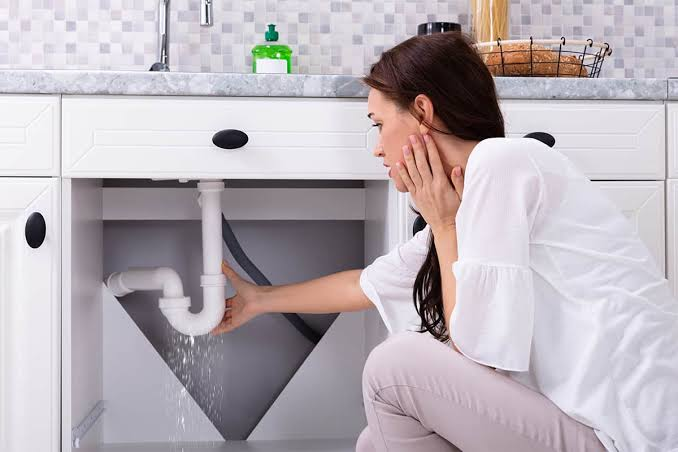
Leaks frequently occur under sinks, around appliance hoses, at threaded joints, and near shutoff valves.
Dry the area completely before locating the source. Water can travel along a pipe and drip far from the actual leak. Tighten loose slip nuts by hand and then slightly with suitable pliers. Excessive force can crack plastic fittings or deform washers.
Replace worn washers and damaged supply lines. Flexible braided lines should be changed when they show corrosion, bulging, fraying, or leakage.
Pipe tape and repair clamps may provide temporary control in limited situations, but they should not be treated as permanent repairs for damaged plumbing.
Shut off the main water supply when a leak cannot be contained.
Low Water Pressure
Weak water flow at one fixture often means the aerator or showerhead is clogged. Remove and clean the attachment with vinegar and a soft brush.
When the entire house has low pressure, inspect the main shutoff valve, check for leaks, and ask the water provider about supply work. A failed pressure regulator or restricted service line may require professional testing.
Compare hot and cold pressure. Weak hot-water flow alone can point to a water-heater valve, sediment, or restricted hot-water pipe.
A pressure gauge attached to an outdoor faucet can provide useful information, but readings should be interpreted according to local plumbing requirements.
Water-Heater Troubles
Common water-heater complaints include inadequate hot water, changing temperatures, unusual noises, discolored water, or leakage.
Check the thermostat setting without raising it unnecessarily. Excessively hot water increases burn risk and energy use. Electric units may have a tripped breaker or failed heating element. Gas units may experience ignition, burner, venting, or control problems.
Popping and rumbling sounds often result from sediment collecting at the bottom of a storage tank. Routine flushing may help, but older neglected tanks can develop valve problems or leaks during maintenance.
A leaking tank usually requires replacement rather than patching. Gas odors, damaged venting, electrical faults, or pressure-relief valve problems require immediate professional attention.
Garbage Disposal Problems
A disposal may stop because it is jammed, overloaded, or overheated. Turn off its power before reaching near the opening. Never place your hand inside the disposal.
After the unit cools, press the reset button located underneath. Some models can be rotated manually with the correct wrench through a socket on the bottom.
Use tongs to remove visible objects only after disconnecting power. Avoid placing grease, fibrous vegetables, bones, metal, glass, and excessive food into the unit.
Run cold water during operation and continue it briefly after grinding stops. Persistent humming, leaks, or electrical problems should be handled by a qualified technician.
Sewer Odors
Bad smells may come from a dry drain trap, dirty overflow channel, loose toilet seal, blocked vent, or sewer-line problem.
Pour water into drains that are rarely used. The water restores the trap seal that blocks sewer gas. Clean sink overflows and remove organic buildup around stoppers.
A sewage smell near the toilet may indicate a failed wax ring. Odors affecting several rooms can point to a venting or main-drain issue.
Sewer gas should not be ignored. Strong, recurring odors require professional investigation, particularly when accompanied by slow drains or gurgling sounds.
Preventive Plumbing Maintenance
Inspect under sinks and around appliances monthly. Look for dampness, rust, mineral deposits, loose connections, and swollen cabinet materials.
Know the location of your main shutoff valve and test accessible fixture valves carefully. Replace aging washing-machine hoses and damaged toilet connectors before they fail.
Keep grease, wipes, hygiene products, paper towels, and food scraps out of drains. Use drain strainers in kitchens, showers, and tubs.
Homeowners searching for contractors may encounter firms using local plumbing promotion strategies to reach customers in their service area. Companies may also rely on search visibility services for plumbers to compete online.
Responsible plumbing businesses often study home-service business advice to improve scheduling, customer communication, and maintenance plans. Others may explore backlink options for contractor websites to strengthen their digital marketing. Homeowners should still verify licensing, insurance, experience, and written warranty terms before hiring anyone.
Know When to Call a Plumber
Professional assistance is needed when water is leaking inside walls, sewage is backing up, pipes have burst, gas-powered equipment is malfunctioning, or the main line is blocked.
You should also call a plumber when a repair requires opening walls, replacing a pressure regulator, moving fixtures, working on utility-owned equipment, or changing major supply and drain lines.
Easy solutions work best when the cause is obvious and accessible. A new flapper, cleaned aerator, tightened connection, or cleared stopper can solve many everyday problems. When symptoms return repeatedly, however, the visible issue may be only one part of a larger plumbing failure.