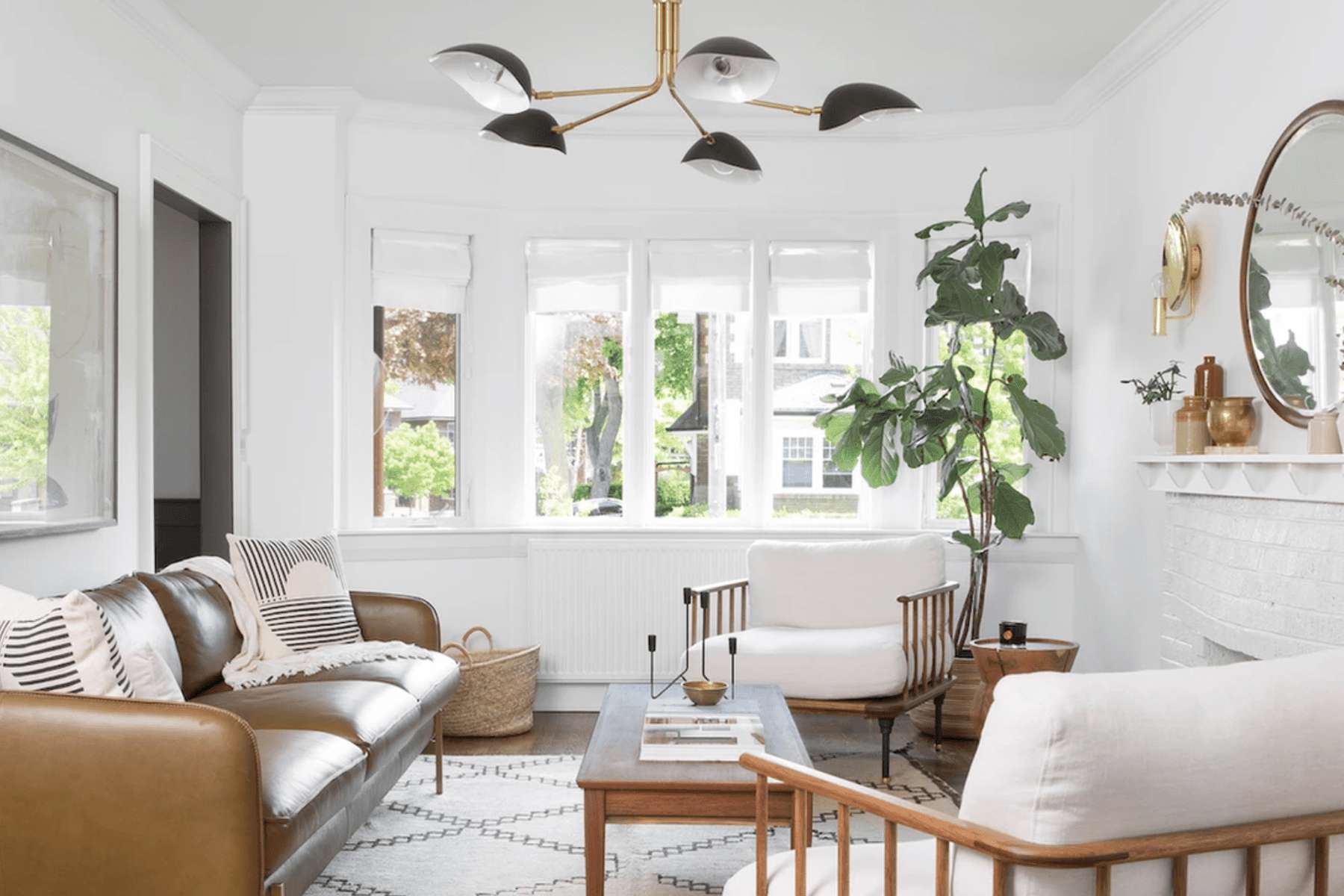
A house provides shelter, but a home offers comfort, belonging, and a sense of identity. The difference is rarely determined by size or price. Instead, it comes from thoughtful design that supports the way people actually live. A well designed home reflects daily routines, personal preferences, and the unique needs of everyone who lives there. When spaces become functional, welcoming, and meaningful, a house naturally begins to feel like home.
Creating Spaces That Support Everyday Living
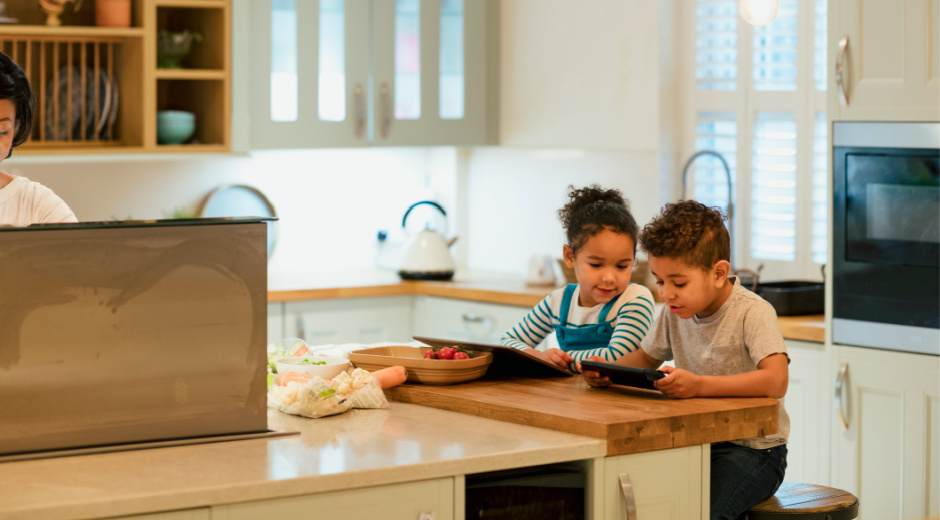
Every home should make daily life easier rather than more complicated. Functional layouts, accessible storage, and well planned furniture arrangements allow people to move comfortably throughout the space. Whether preparing meals, working remotely, or spending time with family, every room should have a clear purpose.
Many homeowners spend time researching ideas before making improvements, much like people search www.pmmvy20.com when looking for specific information online. Careful planning before redesigning a home helps ensure that every change contributes to greater comfort and long term satisfaction.

Designing Rooms Around Real Habits
Beautiful interiors are valuable, but practical design creates lasting happiness. Instead of copying magazine layouts, homeowners should evaluate how each room is actually used. A reading corner, flexible workspace, or family gathering area often adds more value than decorative elements alone.
A home that reflects genuine habits feels natural and effortless. Furniture placement, lighting, and storage should all work together to support everyday routines without creating unnecessary obstacles.
The Importance Of Natural Light And Open Flow
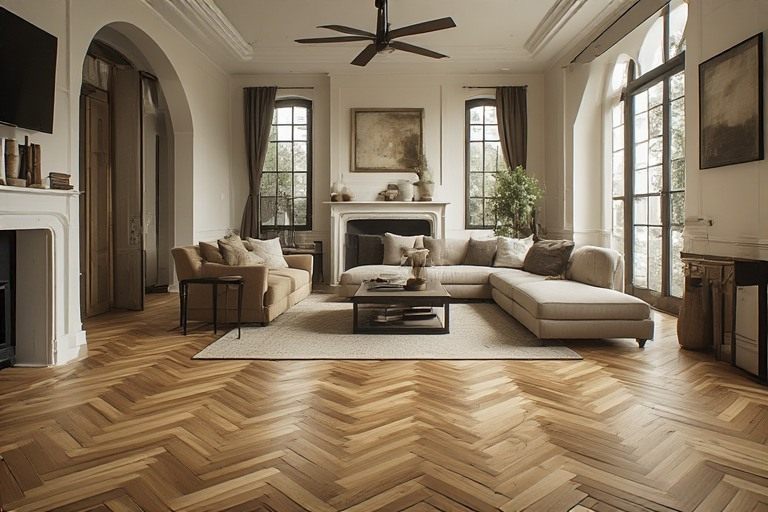
Natural light has an incredible effect on how a home feels. Bright rooms appear larger, more welcoming, and more comfortable. Large windows, light colored finishes, and unobstructed pathways improve both appearance and functionality.
Just as people often check pm kishan payment status to stay informed about important updates, homeowners should regularly evaluate how effectively their living spaces support their changing needs. Small adjustments such as repositioning furniture or improving lighting can significantly enhance the overall atmosphere.
Personal Touches Create Emotional Connections
A thoughtfully designed home tells the story of the people who live there. Family photographs, meaningful artwork, travel souvenirs, handcrafted furniture, and treasured collections all contribute to a stronger emotional connection with the space.
Personalization does not require expensive decorations. Even simple details that reflect individual interests and experiences help transform a generic house into a place filled with warmth and character. These meaningful additions make every room feel authentic rather than staged.
Function Always Outlasts Trends
Interior design trends change every few years, but functionality remains valuable for decades. Choosing durable materials, versatile furniture, and timeless layouts ensures that a home continues serving its occupants regardless of changing styles.
When researching renovation ideas, homeowners often compare different possibilities before making decisions. Taking the time to see details of materials, layouts, and practical features allows better investments that improve both comfort and long term value instead of following short lived design fashions.
Flexible Spaces Prepare Homes For The Future
Modern lifestyles continue evolving. Families grow, careers change, children become teenagers, and remote work has become increasingly common. Homes designed with flexibility can easily adapt to these transitions.
Multi purpose rooms, movable furniture, modular storage systems, and adaptable layouts reduce the need for major renovations in the future. A guest room today may become a home office tomorrow, while a playroom can later transform into a study or hobby space. Flexible design protects the long term usefulness of every square foot.
Organization Brings Everyday Peace
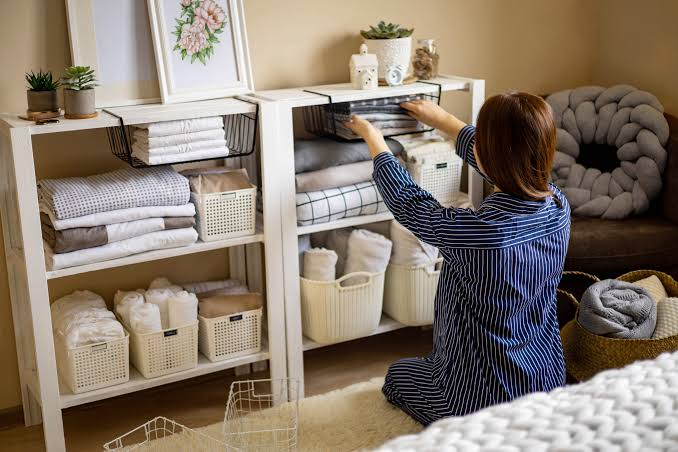
Clutter can make even beautiful homes feel stressful. Thoughtful organization creates cleaner spaces and simplifies daily routines. Hidden storage, built in shelving, labeled containers, and efficient closets all contribute to a calmer environment.
People searching digital property information often Visit Kaveri Online because organized information saves time and reduces frustration. The same principle applies inside a home. When everything has a designated place, household tasks become easier, stress decreases, and living spaces remain consistently inviting.
Designing With Comfort In Mind
Comfort extends beyond furniture. Temperature control, sound reduction, ventilation, lighting quality, and ergonomic design all influence how enjoyable a home feels throughout the day.
Soft textures, layered lighting, comfortable seating, and balanced room proportions encourage relaxation while supporting productivity when needed. A comfortable environment improves mental well being and makes people genuinely enjoy spending time at home rather than simply occupying the space.
A Home Should Continue Growing With You
The most successful homes evolve alongside their owners. Instead of requiring constant expensive renovations, thoughtful design anticipates future needs and allows gradual improvements over time.
People frequently visit resources such as the Manav Sampada Official Website to manage professional information efficiently. Likewise, homeowners benefit from periodically reviewing how effectively their homes support their current lifestyles. Small improvements made consistently often produce greater long term satisfaction than large scale remodeling projects completed all at once.
Conclusion
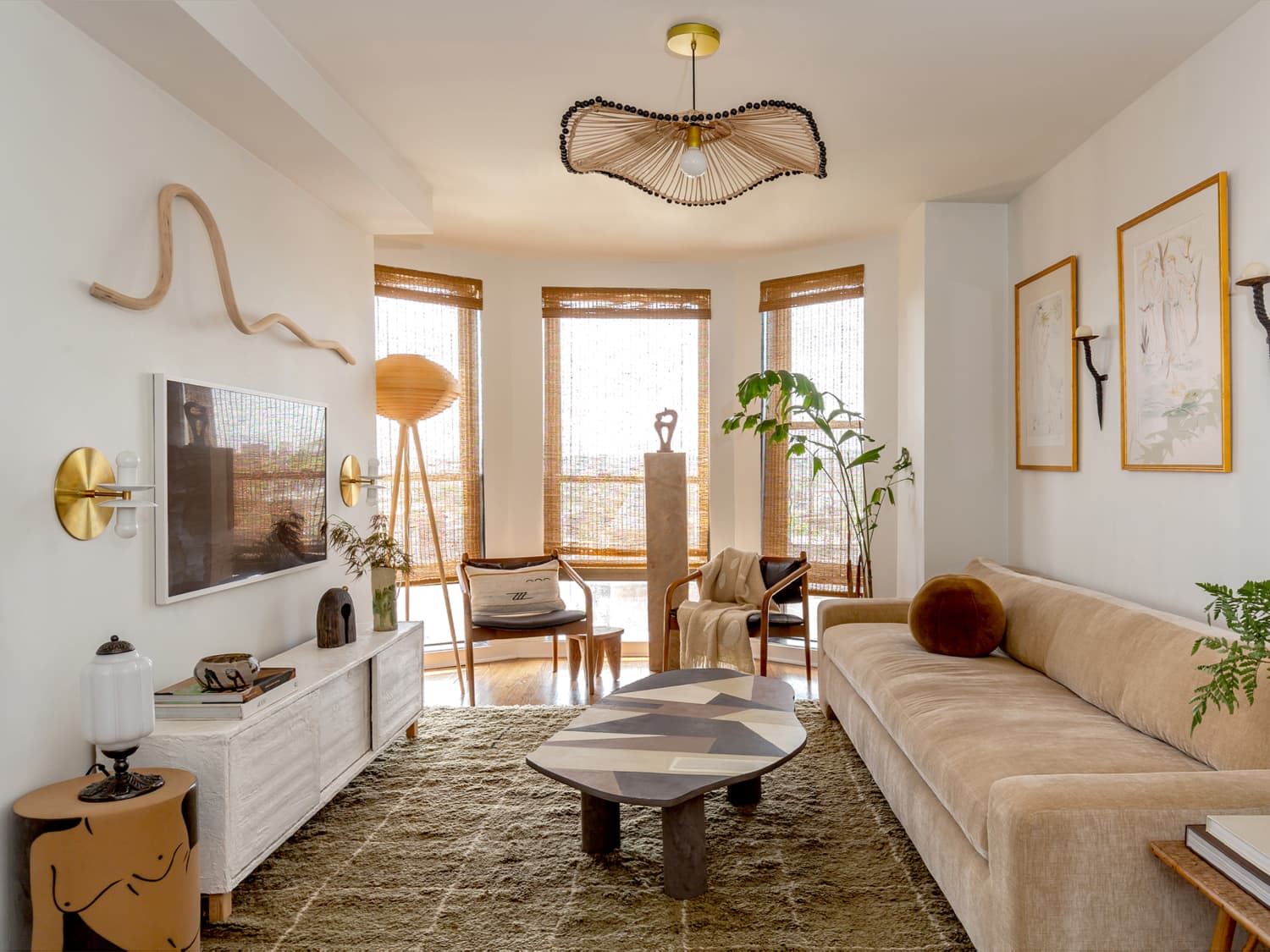
A house finally begins feeling like home when thoughtful design supports comfort, functionality, and personal expression. Practical layouts, flexible spaces, natural light, meaningful décor, and organized living areas all contribute to a stronger emotional connection with the place where life unfolds every day. Rather than chasing temporary trends, homeowners who prioritize purposeful design create environments that remain welcoming, efficient, and enjoyable for many years. Ultimately, the best homes are not defined by luxury or size but by how well they enrich the everyday lives of the people who call them home.