Many homeowners believe that creating a spacious home requires expensive renovations or additional square footage. In reality, thoughtful design decisions can dramatically change how a room feels without altering its physical size. Interior designers often focus on visual balance, natural light, and functionality because these elements influence the way people experience a space. Simple adjustments in layout, color, and organization can make even the smallest rooms feel open, inviting, and comfortable. Design experts consistently recommend reducing visual clutter, maximizing light, and choosing furniture that serves multiple purposes to create a greater sense of openness.
Let Natural Light Take the Lead
Natural light is one of the easiest ways to create the illusion of a larger room. Keeping windows free from heavy coverings allows sunlight to spread throughout the interior, making walls appear farther apart. Mirrors placed strategically opposite windows can reflect light across the room, enhancing brightness while creating visual depth.
Choosing lighter window treatments also helps maintain privacy without blocking daylight. Even replacing dark curtains with sheer fabrics can make a noticeable difference in how spacious a room feels.
Design Around Daily Living
The most successful interiors are not necessarily the largest but the ones designed around everyday routines. Furniture should support movement rather than obstruct it. Frequently used items should remain easily accessible, while seasonal belongings can be stored elsewhere.
Families who regularly reassess how they use each room often discover opportunities to improve functionality without purchasing anything new. Similarly, online searches may include services like kanya sumangala yojana online or educational resources such as https://prernaup.org, yet applying simple space planning principles at home can deliver immediate practical benefits.
Choose Furniture That Works Smarter
Large, bulky furniture often overwhelms compact rooms. Instead, selecting pieces with slimmer profiles and exposed legs creates more visible floor area, making the room appear less crowded. Multifunctional furniture such as storage ottomans, foldable dining tables, or beds with built in drawers reduces the need for additional storage units.
Many modern homes successfully use flexible furniture layouts to accommodate changing daily activities while maintaining an uncluttered appearance.
Keep Storage Out of Sight
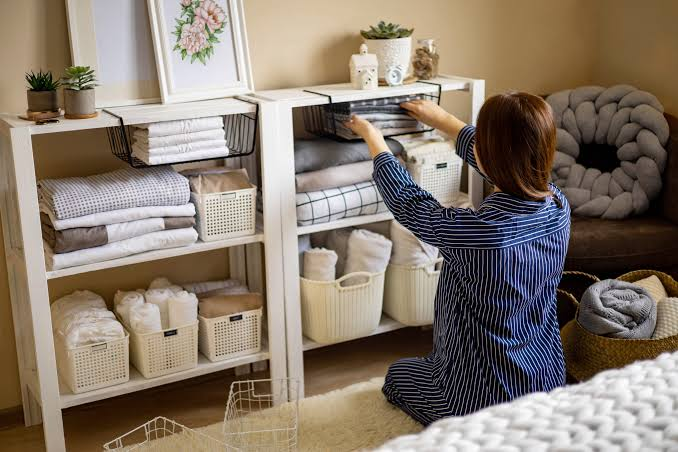
Visible clutter quickly makes any room feel smaller. Hidden storage solutions allow everyday essentials to remain accessible without dominating the visual landscape. Built in shelves, under bed storage, and cabinets that blend with wall colors help maintain clean sightlines.
Keeping countertops, tables, and open shelves organized also contributes to a calmer atmosphere. Even decorative objects should be carefully selected rather than displayed in large numbers.
When searching online for home improvement inspiration, many homeowners also browse unrelated resources such as bandhkamkamgar.net, but practical organization ideas often provide greater long term value than purchasing additional furniture.
Create Visual Continuity
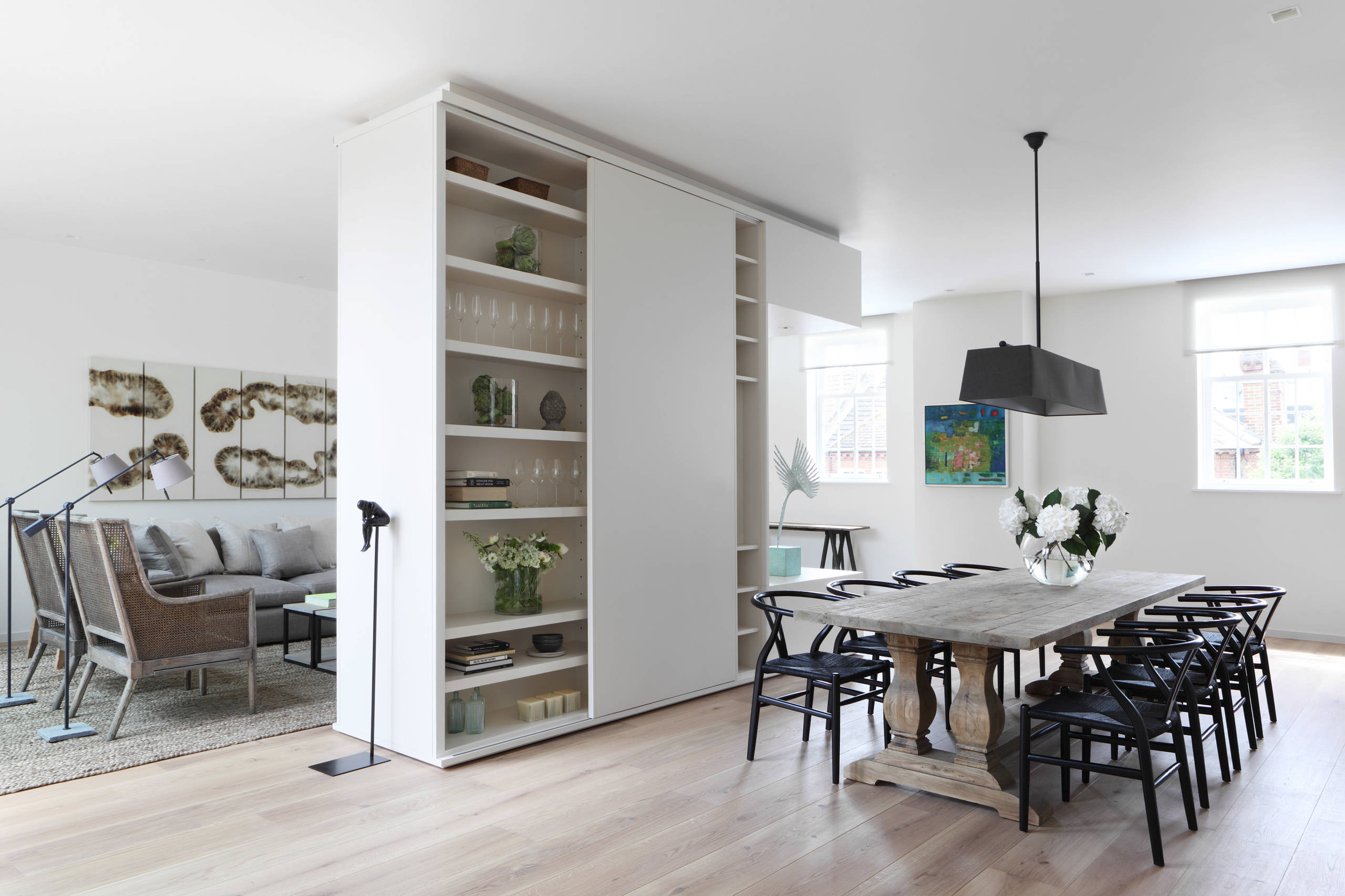
Using similar flooring throughout connected rooms creates an uninterrupted flow that makes the home feel larger. Consistent paint colors and coordinated materials prevent visual breaks that divide spaces into smaller sections.
Area rugs should define functional zones without making the room appear segmented. Oversized rugs often work better than small ones because they visually connect furniture rather than separating it.
Design continuity encourages the eye to travel naturally throughout the home, increasing the perception of spaciousness.
Think Vertically Instead of Horizontally
When floor space is limited, vertical design becomes increasingly important. Tall shelving units, wall mounted storage, floating desks, and high mounted curtains naturally draw attention upward, emphasizing ceiling height rather than room width.
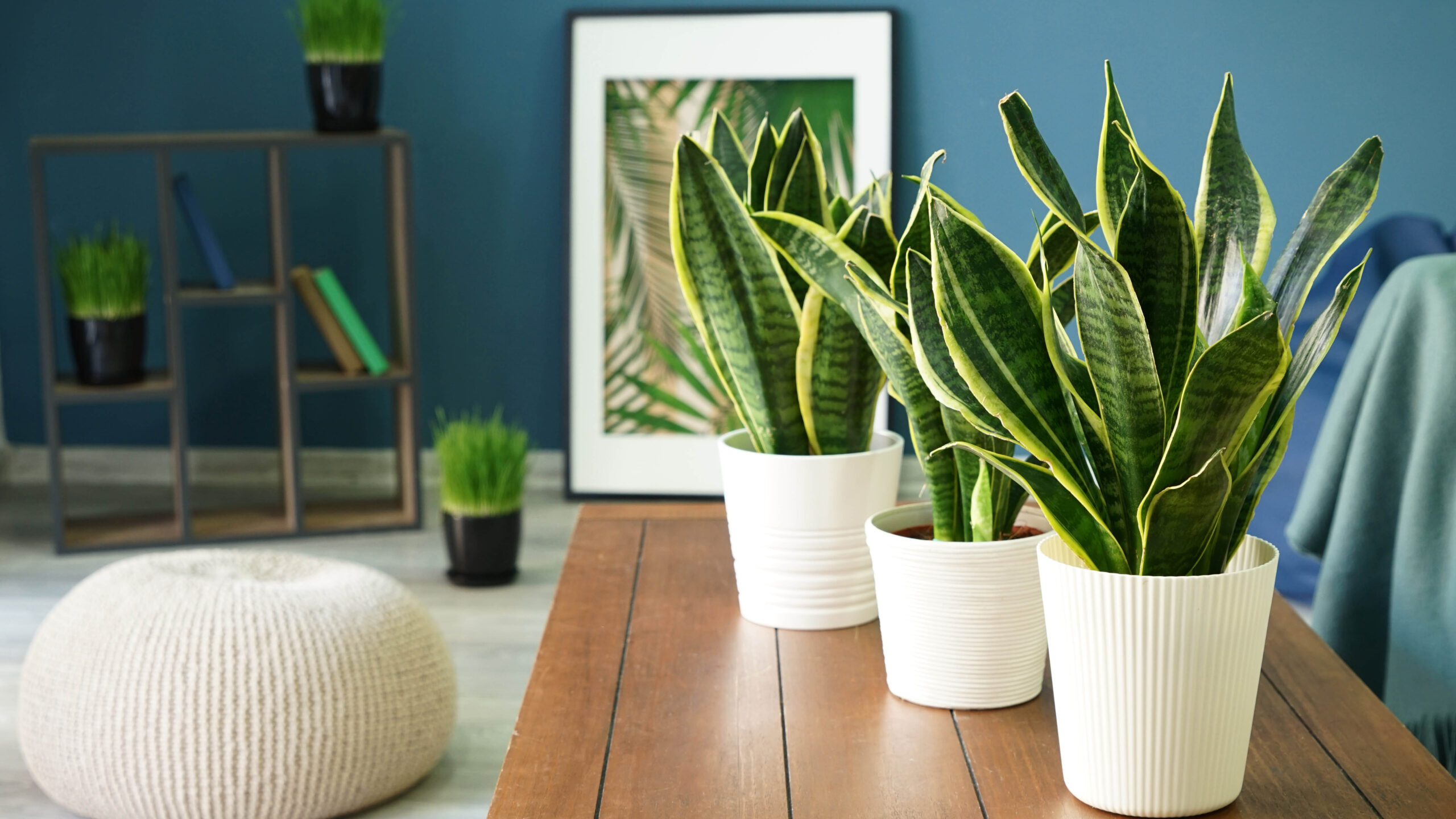
Decorative artwork positioned slightly higher than usual can also reinforce this effect. Even indoor plants placed on elevated shelves add character without occupying valuable floor space.
Some homeowners browsing various online resources may come across portals like Visit Mee Bhoomi while searching the internet, but organizing walls effectively often delivers far greater everyday improvements inside the home.
Use Color With Intention
While white has traditionally been associated with spacious interiors, today’s designers recognize that many soft neutral shades create equally open environments. Warm creams, gentle grays, muted greens, and soft beige tones reflect light while adding personality.
Maintaining a limited color palette across walls, furniture, and accessories reduces visual interruptions. This creates harmony that allows the room to feel more expansive rather than crowded. Recent design trends also show that carefully chosen richer colors can work well in smaller rooms when applied consistently.
Reduce Visual Noise
Every item within a room competes for attention. Simplifying decorations allows standout pieces to receive more focus while giving the room breathing space.
Instead of filling every shelf with decorative accessories, select a few meaningful pieces that complement the overall design. Coordinated storage baskets, concealed cables, and organized entryways further contribute to a cleaner appearance.
During casual internet browsing, someone might notice websites such as the Punjab State Lottery Portal, but thoughtful interior styling generally has a far greater impact on improving everyday living environments.
Conclusion
A home does not need additional square footage to feel larger. Smart furniture choices, consistent color schemes, better lighting, hidden storage, and intentional organization all work together to create a more spacious environment. By focusing on perception instead of expansion, homeowners can transform compact interiors into comfortable, functional spaces that feel significantly bigger while making the most of every available inch.