The colors within your home do more than simply decorate walls. They shape emotions, influence energy levels, and quietly affect how you experience everyday life. Even during simple moments like browsing Photosvibes, you may notice how certain color tones create feelings of calm, excitement, or comfort. Understanding how colors influence mood can help you design a living space that supports well being and enhances daily living.
The Psychology Behind Colors
Colors have a strong psychological impact on the human mind. Different shades trigger different emotional responses, often without us even realizing it.
Warm colors like red, orange, and yellow tend to create energy and warmth, while cool colors such as blue and green promote calmness and relaxation. Neutral tones offer balance and simplicity, making them versatile for various spaces.
Choosing the right color palette allows you to create an environment that matches the purpose of each room.
Creating Calm Spaces With Soft Tones
Soft and muted colors are ideal for creating a peaceful atmosphere. Bedrooms and relaxation areas benefit from shades like light blue, soft green, and gentle beige.
These colors reduce stress and help the mind unwind after a long day. They create a sense of comfort that encourages rest and recovery.
Just as guidance from pedrovazpaulo coaching focuses on clarity and balance, calm color choices support emotional stability within your home.
Energizing Areas With Vibrant Colors
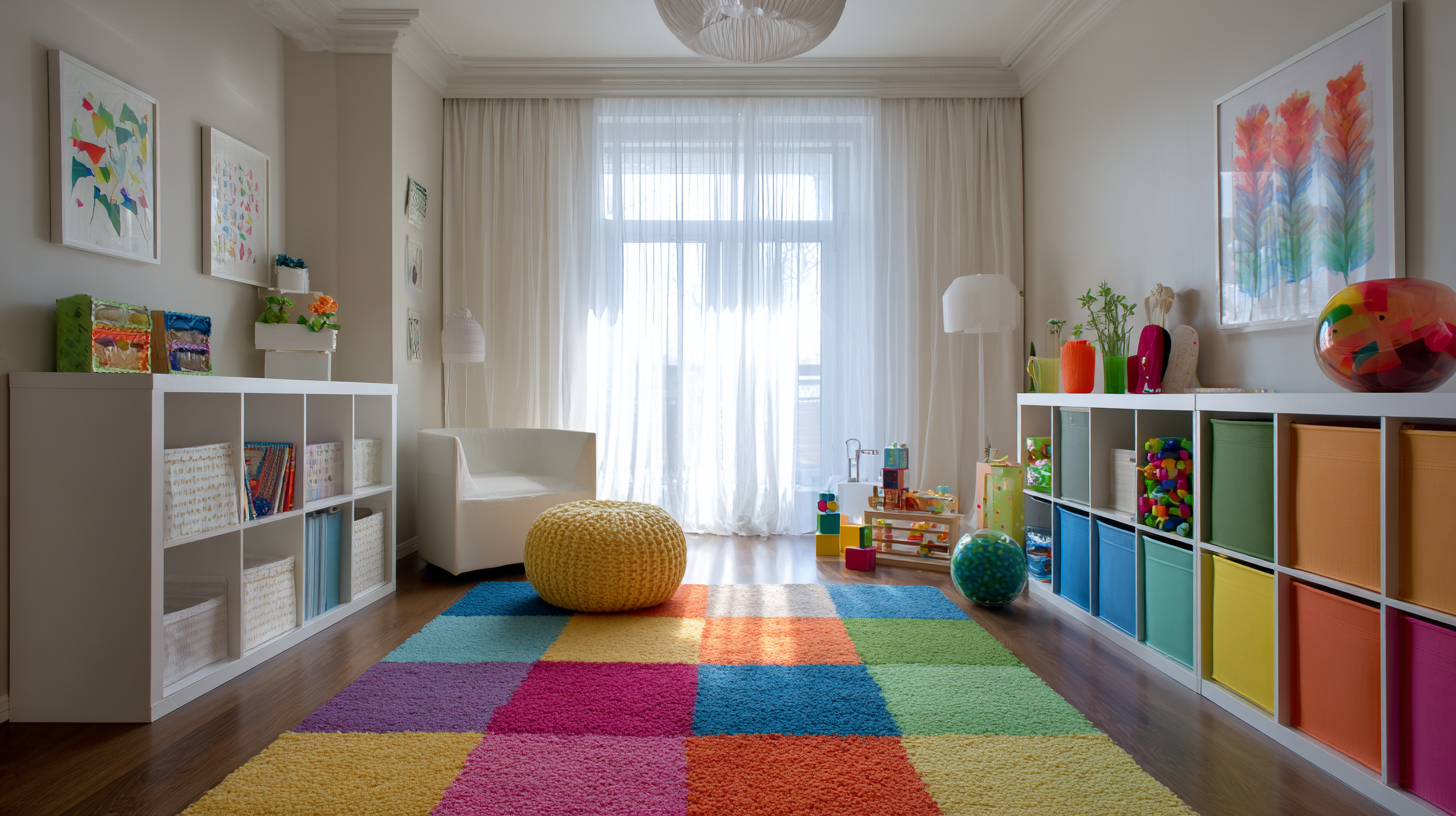
While calm tones are important, some areas of the home benefit from energy and vibrancy. Spaces like kitchens and living rooms can be enhanced with brighter colors.
Shades like yellow and orange can stimulate positivity and encourage social interaction. These colors create an inviting and lively environment.
However, balance is key. Too much intensity can become overwhelming, so it is important to use vibrant colors thoughtfully.
The Role Of Neutral Colors
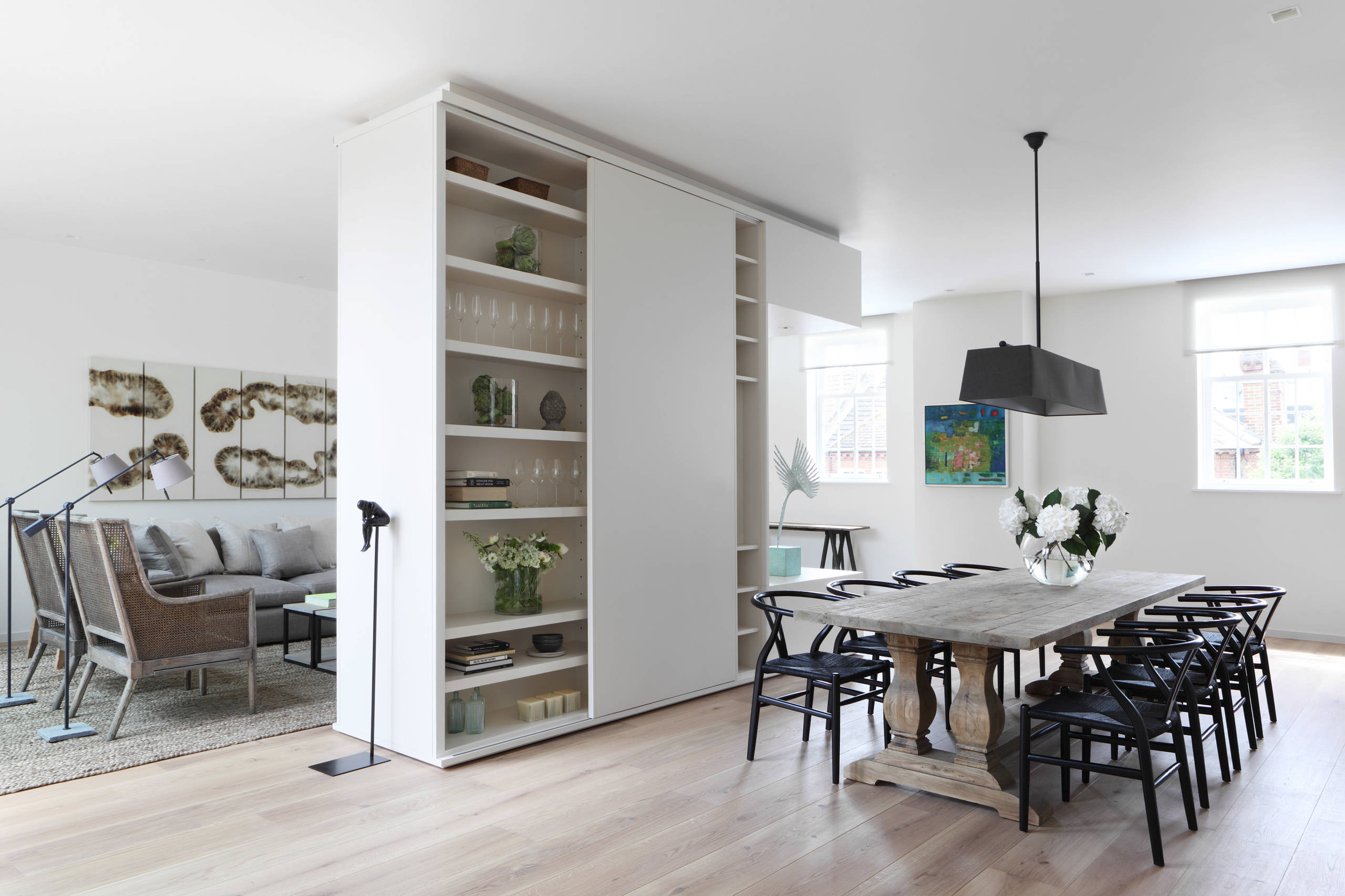
Neutral colors play a crucial role in maintaining harmony within a home. White, gray, and beige provide a clean and timeless look.
They act as a foundation that allows other elements to stand out without creating visual clutter. Neutral tones also make spaces feel larger and more open.
Even when exploring structured information like iay/pmayg beneficiary, clarity and simplicity are essential. Similarly, neutral colors bring clarity and balance to home design.
How Colors Affect Focus And Productivity?
Colors can influence how well you concentrate and perform tasks. Workspaces benefit from colors that promote focus and mental clarity.
Blue tones are often associated with productivity and calm thinking, while green can reduce eye strain and improve concentration.
Choosing the right colors for study or work areas can enhance efficiency and make tasks feel less stressful.
Emotional Comfort Through Familiar Shades
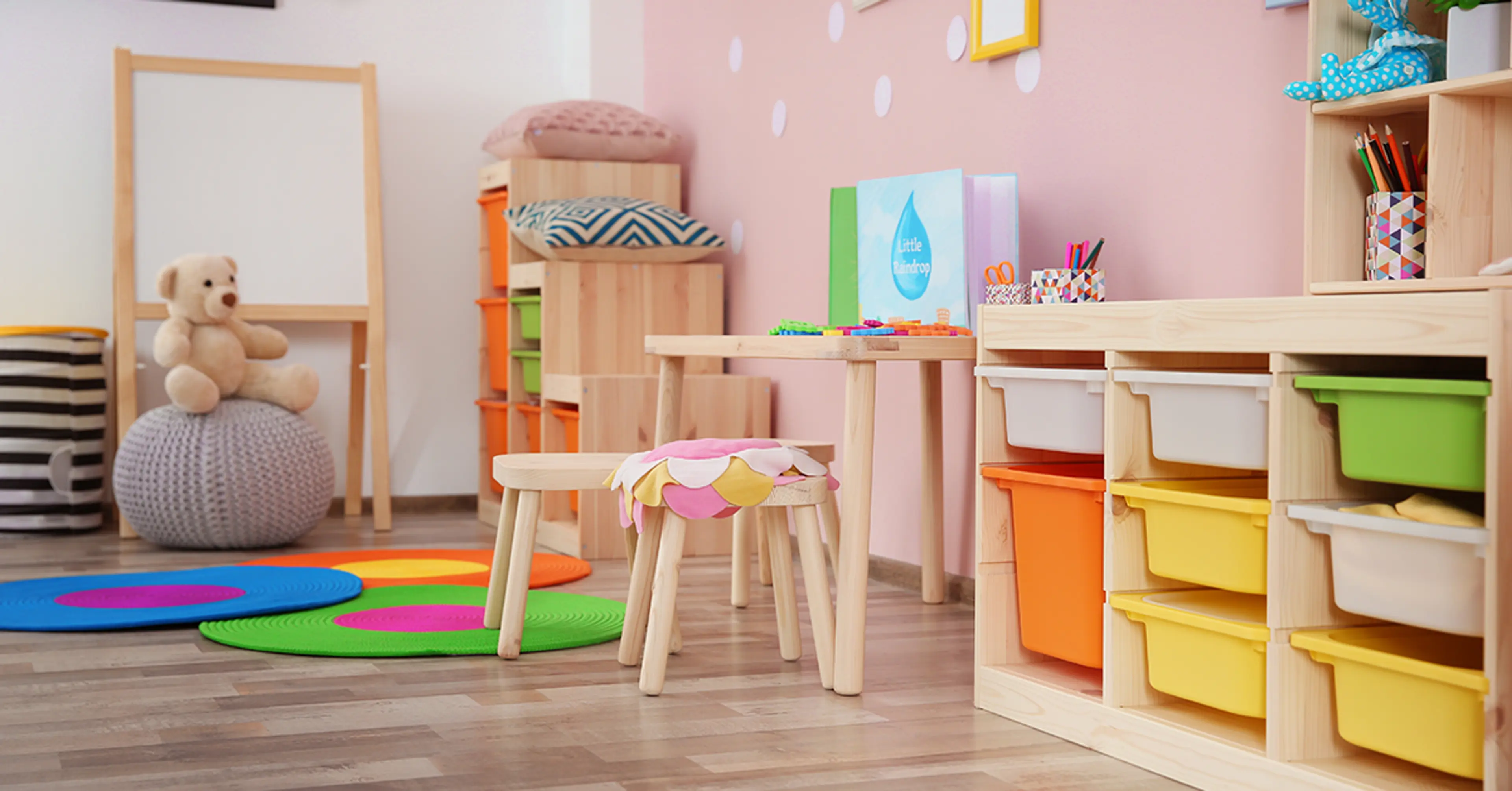
Colors that hold personal meaning can create a sense of comfort and belonging. Familiar shades remind us of positive experiences and emotions.
For example, engaging with learning tools like hindi barakhadi english may bring a sense of structure and familiarity, which can be reflected in the choice of colors at home.
Incorporating colors that resonate personally helps create a space that feels truly yours.
Lighting And Color Interaction
The way colors appear can change depending on lighting. Natural light enhances brightness and reveals true tones, while artificial lighting can alter color perception.
Understanding how light interacts with colors helps in making better design choices. A color that looks perfect in daylight may appear different at night.
Testing colors under different lighting conditions ensures that the desired mood is maintained throughout the day.
Avoiding Overstimulation
While colors can enhance mood, too many contrasting or intense colors can create overstimulation. This can lead to discomfort and reduce the sense of calm.
Maintaining a balanced color scheme prevents visual clutter and creates a more harmonious environment.
Even while engaging with digital platforms like snaptriod, excessive stimulation can be overwhelming. Similarly, balanced colors help maintain a peaceful home atmosphere.
Creating A Cohesive Color Flow
A well designed home maintains consistency in color flow from one room to another. This creates a sense of unity and smooth transition between spaces.
Using complementary colors and maintaining a consistent palette ensures that the home feels connected rather than disjointed.
This cohesive approach enhances both visual appeal and emotional comfort.
Conclusion
Colors quietly influence mood inside your home in powerful ways. They shape emotions, affect energy levels, and contribute to overall well being. By understanding color psychology and choosing tones thoughtfully, you can create spaces that support relaxation, productivity, and comfort. Balance, lighting, and personal preference all play important roles in achieving the desired effect. In the end, the right colors do more than decorate your home, they create an environment that feels welcoming, balanced, and aligned with your lifestyle.