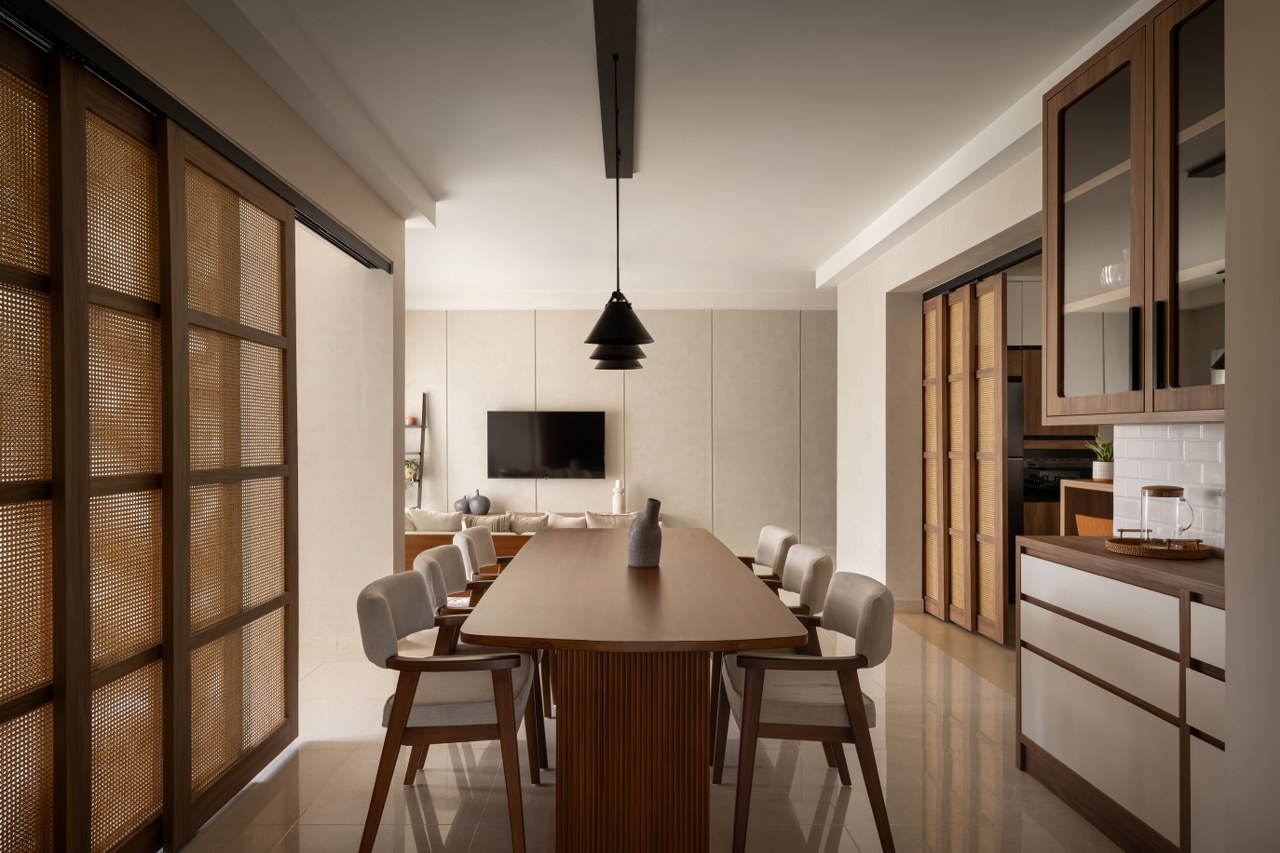
For generations, homes were commonly designed around clearly defined rooms. A dining room was reserved for meals, a study was meant for work, and a guest bedroom often remained unused until visitors arrived. Modern lifestyles are challenging this approach. Homeowners increasingly want spaces that can adapt to changing routines rather than remain dedicated to one activity.
Flexible interiors respond to this shift by allowing a single area to support work, relaxation, exercise, entertainment, storage, and social activities at different times. Instead of requiring a larger property, people are learning to make existing square footage work harder. This approach is particularly relevant as remote work, changing family structures, and compact urban living reshape expectations of the modern home.
Daily Routines Are Becoming Less Predictable
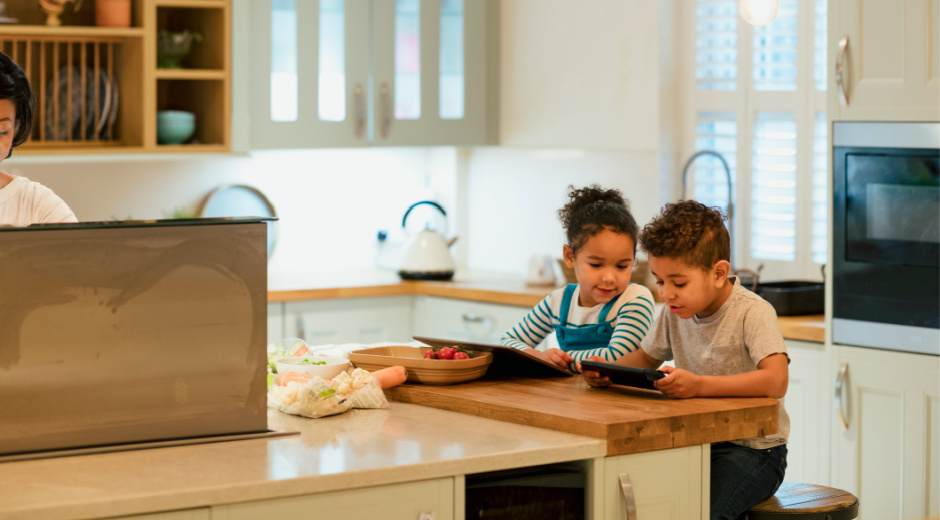
Household routines no longer fit neatly into traditional room categories. A kitchen island might become a workstation in the morning, a homework area in the afternoon, and a social gathering point in the evening. Similarly, a spare bedroom might function as an office most of the year while transforming into comfortable guest accommodation when necessary.
This broader movement toward adaptable living reflects a growing expectation that everyday systems should respond efficiently to changing needs. Even outside interior design, people encounter resources and information platforms such as pm surya ghar yojana banner while researching household programs, energy initiatives, or ways to improve residential efficiency. Such behavior demonstrates a wider interest in making homes more practical and responsive.
Furniture Is Becoming More Adaptable
Furniture plays an important role in making flexible interiors successful. Large pieces designed for a single purpose can restrict the possibilities of a room. In contrast, modular sofas, nesting tables, folding desks, expandable dining tables, and movable storage units allow homeowners to rearrange spaces quickly.
A compact desk can disappear into cabinetry after work. An ottoman can provide seating, storage, or a surface for everyday items. A sofa bed can turn an office or hobby room into temporary sleeping accommodation.
This preference for adaptability resembles the way people increasingly use specialized online platforms for specific tasks. Someone researching digital initiatives, for example, may encounter digishakti.info while navigating information online. Within the home, the same principle of accessibility matters. Items and spaces become more useful when they can serve a purpose exactly when required.
Storage Is Becoming Part of Interior Architecture
Flexible rooms require thoughtful storage. A multifunctional room can quickly feel cluttered if equipment associated with several activities remains visible simultaneously. Built in cabinets, concealed shelves, under seat compartments, and wall storage can help maintain visual order.
Consider a room used for both exercise and entertainment. Fitness equipment can be stored inside cabinetry after a workout, leaving the floor available for family activities later. Similarly, craft supplies, office materials, children’s toys, or occasional household items can have designated storage areas without dominating the room.
Organization has become increasingly important as households manage both physical possessions and growing amounts of digital information. Resources such as www.udyamiyojana.org represent the kind of specialized online destinations people may encounter while looking for information related to schemes or opportunities. Inside the home, clearly organized storage performs a comparable practical function by making necessary items easier to locate and manage.
Property Information Can Influence Flexible Planning
Designing an adaptable home is not always limited to furniture and decoration. Renovations involving extensions, structural alterations, outdoor rooms, or major changes to floor plans can require homeowners to understand their property more thoroughly.
Digital land information resources have made property related research more accessible in many regions. A person researching Rajasthan property information, for instance, might come across https://bhunaksharajasthan.org while looking for relevant land or map related details. Having access to appropriate information can be useful before making decisions that significantly change how a property is used.
Flexible design works best when changes are considered as part of the wider property rather than as isolated decorating choices.
Technology Is Supporting Rooms With Multiple Roles
Technology has also made single purpose rooms less necessary. Televisions can double as presentation screens, wireless devices reduce cable clutter, compact projectors can create temporary entertainment areas, and smart lighting can change the atmosphere of a space within seconds.
Lighting is especially useful in multifunctional interiors. Bright task lighting may support work during the day, while softer lighting can transform the same room into a relaxing environment at night.
The growing familiarity with digital search tools has also changed the way homeowners conduct research before making decisions. Detailed search functions, including terms such as advanced search bhumi jankari, illustrate how people increasingly expect to locate precise information rather than browse through large amounts of unrelated material. Interior planning is following a similar philosophy, with each element selected to perform clearly defined functions without unnecessarily consuming space.
Flexible Design Can Support Different Life Stages
Perhaps the greatest advantage of a flexible interior is its ability to evolve. A young couple may need home offices today but require a nursery several years later. A children’s playroom might eventually become a study area, hobby room, or guest bedroom. Older homeowners may prefer open spaces that can be rearranged as mobility and accessibility needs change.
Planning for these possibilities can reduce the need for repeated major renovations. Movable partitions, neutral foundational finishes, adjustable shelving, modular furniture, and accessible electrical outlets make future transitions easier.
A Home That Changes With Its Occupants
Modern homes are becoming less about assigning permanent labels to individual rooms and more about creating environments that respond to daily life. A room does not have to remain a dining room simply because that was its original purpose.
Flexible interiors encourage homeowners to think in terms of activities, transitions, and changing priorities. With adaptable furniture, thoughtful storage, appropriate technology, and forward looking planning, the same square footage can support many different experiences.
As households continue to change, interiors designed around flexibility are likely to become increasingly valuable. Instead of forcing people to adapt their routines to rigid rooms, the home itself can evolve alongside the people living within it.