Minimalism is often misunderstood as a design style that sacrifices comfort for simplicity. In reality, it is about creating a space that feels calm, functional, and deeply personal without unnecessary clutter. Today’s minimalist interiors focus on balance where comfort and simplicity coexist. Instead of empty rooms, the goal is thoughtful design that enhances everyday living.
The concept of minimalism has evolved into something more human centered. It is no longer about owning less just for the sake of it, but about choosing what truly adds value to your life. A well designed minimalist home allows you to breathe, relax, and focus on what matters most.
The Foundation of Thoughtful Design
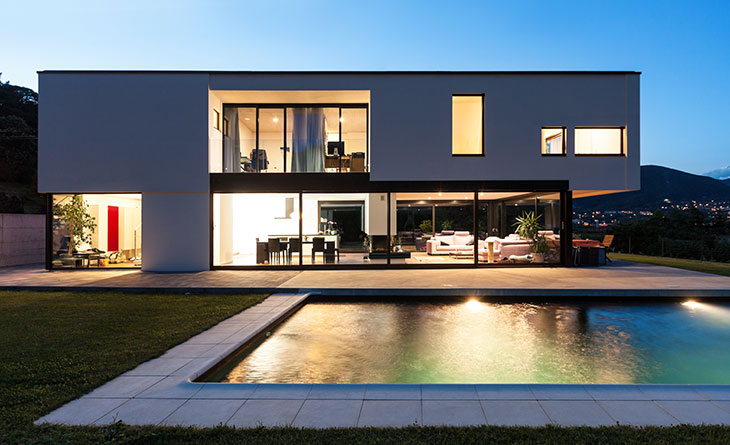
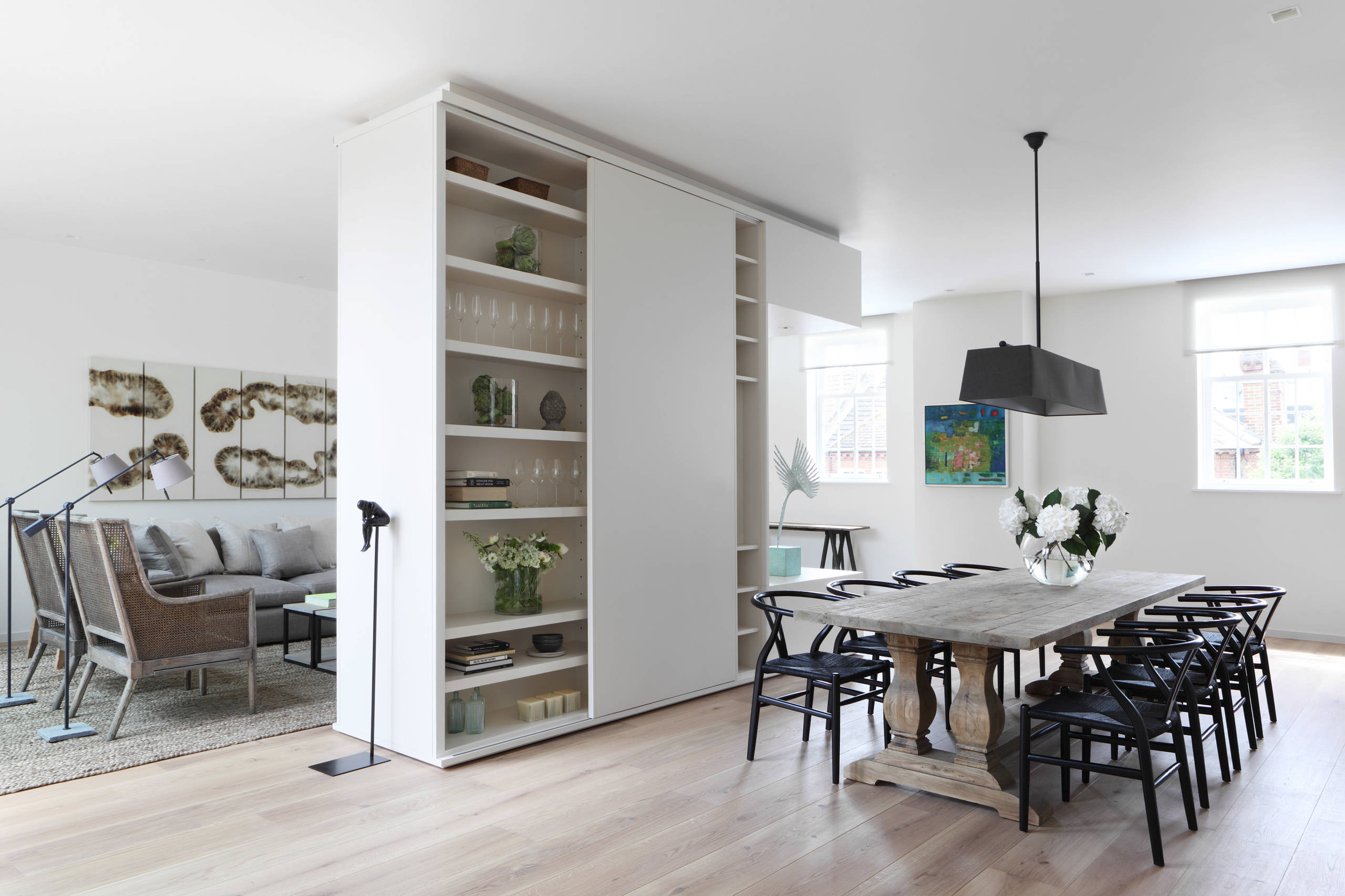
At the core of minimalist living is intentional design. Every piece of furniture, every color choice, and every layout decision serves a purpose. Clean lines and open spaces help create a sense of order while natural light enhances the overall atmosphere.
Comfort comes from how a space makes you feel. Soft textures, warm lighting, and functional layouts ensure that minimalism does not feel cold or empty. A cozy sofa, a well placed rug, or a reading corner can transform a simple room into a welcoming retreat.
Decluttering Without Losing Personality
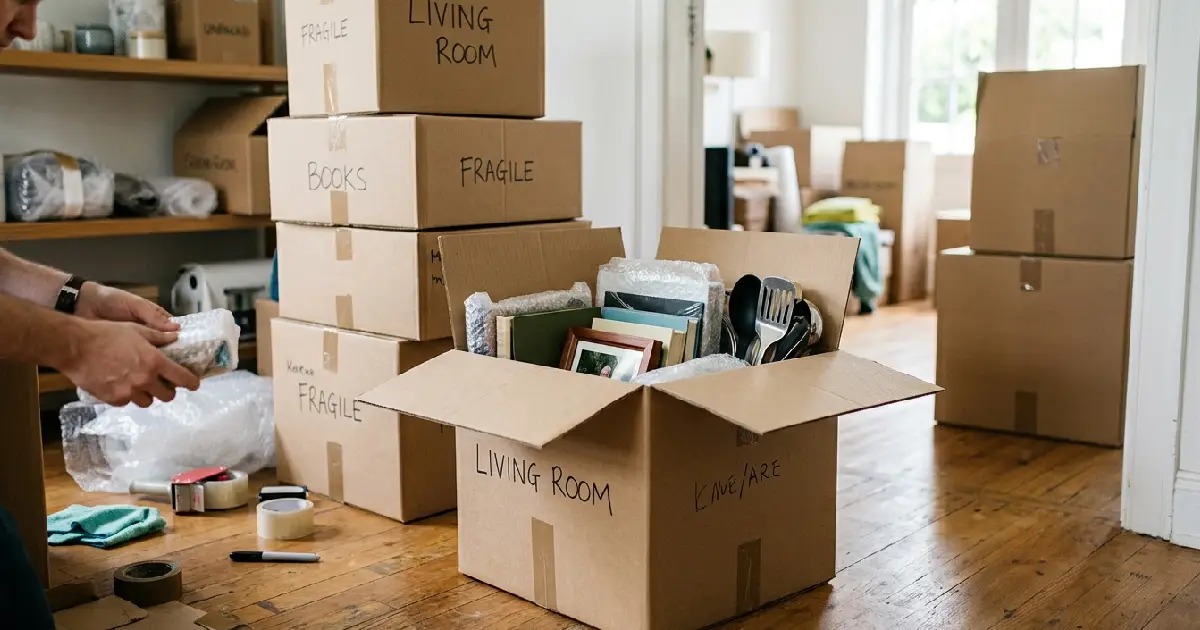
One of the biggest challenges people face is letting go of items without losing their sense of identity. Minimalism does not mean removing everything. It means curating your space with items that reflect your personality.
For example, a single piece of art or a meaningful decorative item can stand out more in a clean environment. This approach allows your home to feel unique while still maintaining simplicity. Just like choosing what matters in life, similar decisions are made daily whether it is something as random as checking dear lottery khela or organizing your living space.
Functional Spaces That Adapt
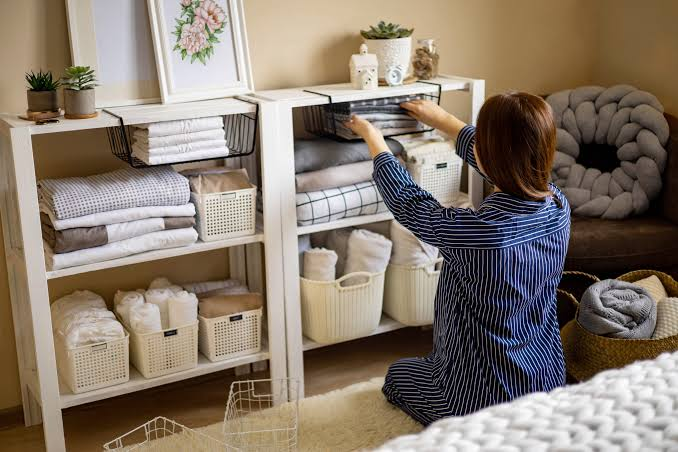
Modern minimalist interiors focus heavily on functionality. Multi purpose furniture and flexible layouts allow homes to adapt to changing needs. A dining table can double as a workspace. Storage solutions are designed to be hidden yet easily accessible.
This adaptability is especially important in smaller homes where every square foot matters. Smart storage helps maintain a clutter free environment while ensuring everything has its place. Systems like Aepdsbiharcard show how organized structures can simplify processes, much like well planned interiors simplify daily routines.
The Role of Neutral Colors and Materials
Color plays a crucial role in minimalist design. Neutral tones such as white, beige, and soft gray create a calming backdrop. These colors make spaces appear larger and more open while allowing natural elements to stand out.
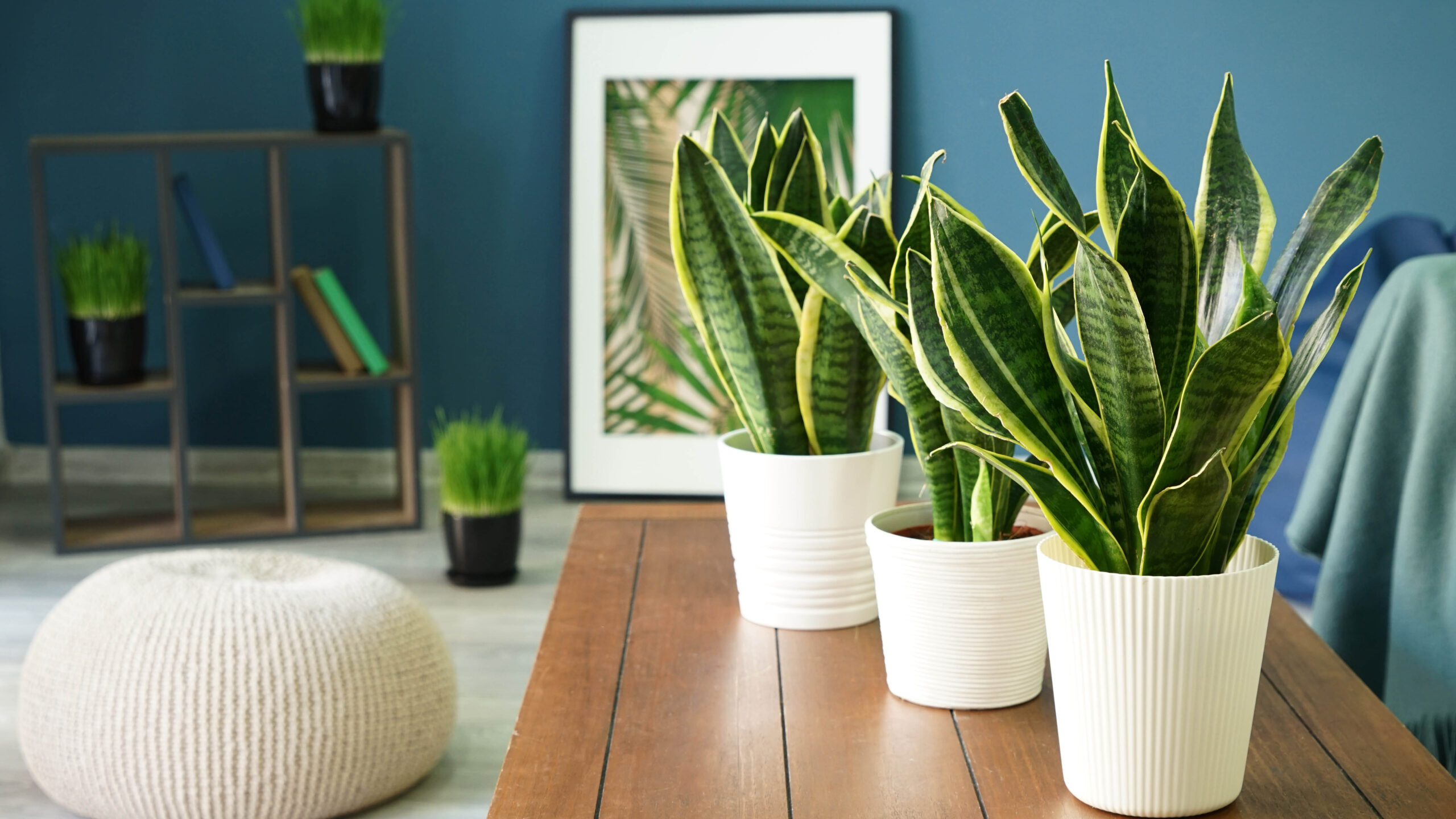
Materials like wood, stone, and linen add warmth and texture. They prevent the space from feeling sterile and bring a sense of nature indoors. The balance between neutral colors and natural materials is what creates a comfortable minimalist environment.
Creating Emotional Comfort
Minimalist living is not just about physical space but also about mental clarity. A clutter free home can reduce stress and improve focus. When everything has its place, it becomes easier to relax and enjoy your surroundings.
Even in a fast paced world filled with updates like cricket news today, having a calm and organized home provides a sense of stability. It becomes a place where you can disconnect and recharge.
Adding Subtle Joy to Simplicity
Comfort in minimalism also comes from small moments of joy. These can be simple touches such as fresh flowers, a scented candle, or even a playful element in decor. Light humor and creativity can exist within minimalist spaces just as easily as in more decorative styles, much like how easter puns bring a smile without overwhelming the conversation.
Personal expression can also be reflected through words and creativity. A simple framed quote or a handwritten note from Writeshayari can add emotional depth without adding clutter.
A Lifestyle Beyond Design
Minimalist living extends beyond interiors into everyday habits. It encourages mindful consumption, better organization, and intentional choices. The goal is not perfection but balance.
When you embrace minimalism with comfort in mind, your home becomes more than just a place to live. It becomes a space that supports your lifestyle, enhances your well being, and reflects who you truly are.
In the end, minimalist living with maximum comfort is about creating harmony between space, function, and emotion. It proves that you do not need more to feel complete. You simply need what truly matters.