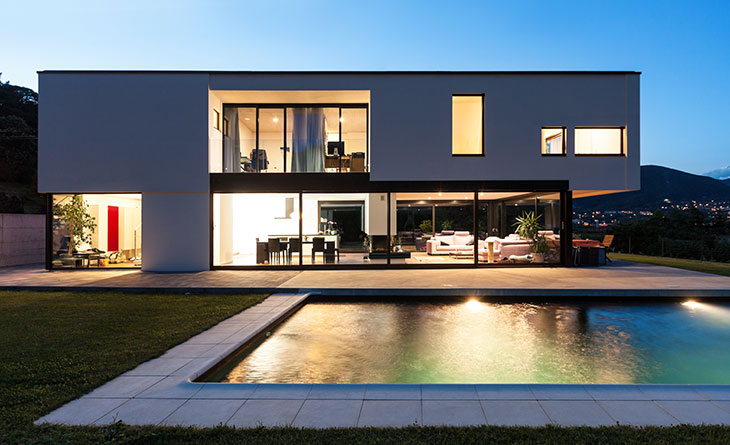
Blending modern and traditional home styles is an art that balances contrast, character, and comfort. While modern interiors are known for clean lines and minimal design, traditional spaces celebrate detail, craftsmanship, and warmth. When thoughtfully combined, these two styles create a timeless home that feels both fresh and familiar. The key lies in harmony rather than dominance, allowing each element to complement the other.
Understanding the Core of Each Style
Before mixing styles, it is essential to understand what defines them. Modern design focuses on simplicity, neutral palettes, open spaces, and functional furniture. Materials such as glass, steel, and polished wood are commonly used. Traditional design, on the other hand, embraces rich textures, ornate details, classic patterns, and elegant furnishings. Think carved wood, detailed moldings, and layered fabrics.
The beauty of combining these styles lies in respecting their foundations while allowing them to interact naturally. Instead of forcing contrast, aim for balance. A modern sofa can sit comfortably in a room with traditional crown molding, as long as the proportions and colors are thoughtfully selected.
Start With a Neutral Base
A neutral foundation helps bridge the gap between modern and traditional elements. Shades like cream, beige, gray, and soft white create a seamless backdrop. This approach allows bold traditional furniture or sleek modern pieces to stand out without clashing.
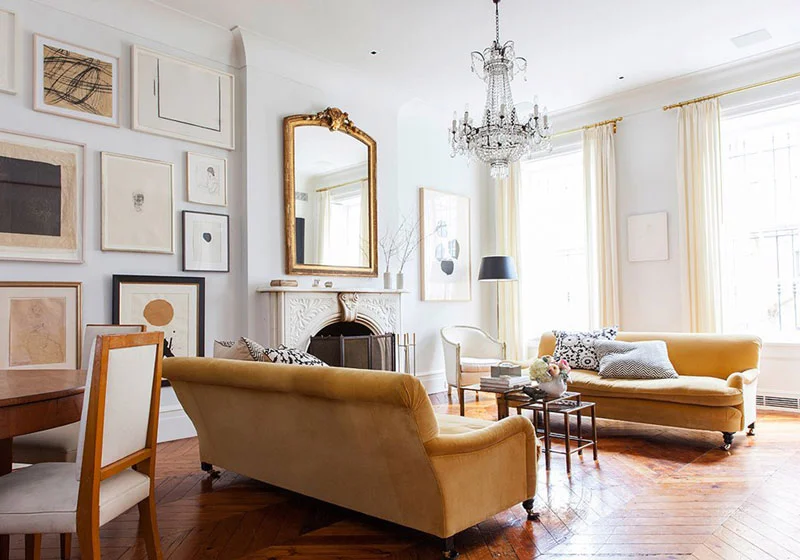
Walls and flooring play a significant role. For example, hardwood floors with classic finishes can anchor a space, while modern lighting fixtures add a contemporary twist. The contrast should feel intentional rather than accidental.
Balance Old and New Furniture
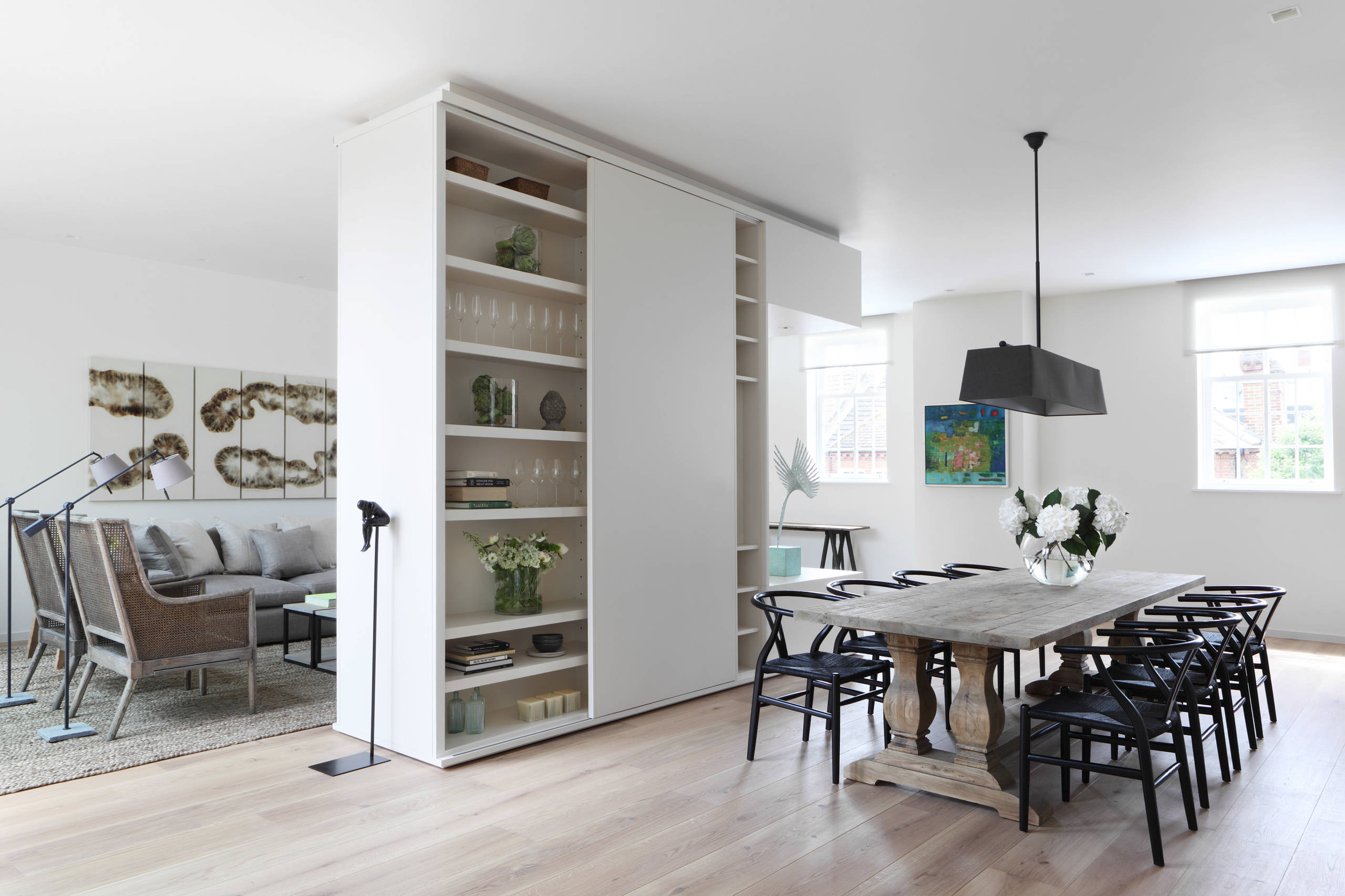
One of the easiest ways to mix modern and traditional styles is through furniture selection. Pair a classic wooden dining table with minimalist chairs. Place a contemporary coffee table in front of a tufted traditional sofa. This blend creates visual interest and depth.
Avoid overcrowding the room with too many ornate or overly sleek pieces. Instead, let one style lead while the other supports. For instance, if your home features traditional architectural details, incorporate modern accessories and streamlined furniture to lighten the look.
Interestingly, just as readers switch between lifestyle updates and business news australia to stay informed about different perspectives, homeowners can blend two design worlds to create a richer experience within their living spaces.
Use Textures to Create Harmony
Texture plays a crucial role in uniting contrasting styles. Traditional interiors often feature layered fabrics such as velvet, silk, and wool. Modern spaces favor smooth and understated materials. By combining these textures, you create balance.
A sleek leather chair can look inviting when paired with a patterned traditional rug. Similarly, a modern glass coffee table can soften when surrounded by plush cushions. The interaction of texture prevents the space from feeling flat or disconnected.
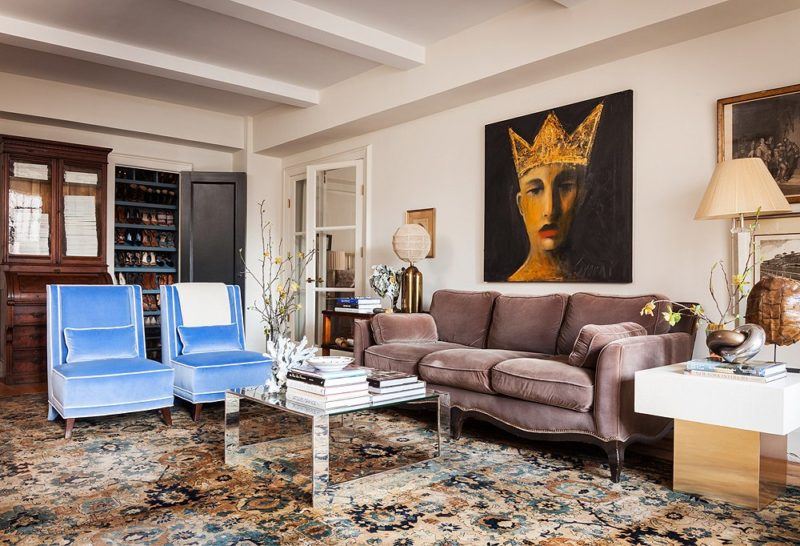
Focus on Statement Pieces
Every mixed style home benefits from a focal point. A statement chandelier in a modern room adds drama. A bold contemporary artwork displayed above a traditional fireplace introduces freshness.
Personal expression matters in interior design. Just as people showcase their personality through a bio vip instagram profile that highlights their unique identity, homeowners can express their taste by carefully selecting statement pieces that reflect both heritage and innovation.
Choose one or two standout elements per room. This keeps the design cohesive and prevents visual overload.
Incorporate Technology Thoughtfully
Modern homes frequently integrate technology seamlessly. Smart lighting, minimalist entertainment systems, and sleek appliances enhance functionality. When blending styles, technology should not disrupt traditional charm.
Conceal wires, choose simple device designs, and maintain clean surfaces. Interestingly, just as professionals rely on the ghidra tool to analyze and understand complex systems beneath the surface, homeowners can strategically incorporate modern tech features without disturbing the visible aesthetic. Technology should enhance comfort while preserving the character of traditional elements.
Respect Architectural Details
If your home features traditional architectural details such as crown molding, wainscoting, or arched doorways, embrace them. These elements provide character and history. Modern furniture can contrast beautifully against such features.
Avoid removing historical details unless necessary. Instead, refresh them with updated paint colors or lighting. The blend of old craftsmanship and contemporary design creates depth and authenticity.
Design inspiration can come from anywhere. People often explore diverse topics, from interior trends to discussions about prince net worth, drawing ideas from various interests. Similarly, mixing styles encourages creative exploration beyond rigid design rules.
Edit and Refine
The most important step in mixing modern and traditional home styles is editing. Step back and evaluate the space. Remove items that feel out of place. Simplify areas that appear cluttered.
Modern design thrives on clean lines and open space, so avoid overcrowding. Traditional elements should add warmth, not heaviness. If a room feels busy, reduce decorative accessories. If it feels too stark, introduce a textured throw or classic artwork.
In a world where digital trends shift rapidly, from editing apps like capcut pro mod apk to changing fashion aesthetics, timeless home design remains rooted in thoughtful balance. Trends may come and go, but a well blended interior stands the test of time.
Create a Story Through Design
Ultimately, mixing modern and traditional styles is about storytelling. Your home should reflect both where you come from and where you are headed. Combining heirloom furniture with contemporary decor symbolizes continuity and growth.
Each room becomes a conversation between eras. The sleekness of modern pieces highlights the richness of traditional craftsmanship. Together, they form a cohesive and welcoming environment.
When done thoughtfully, this design approach results in a home that feels curated rather than chaotic. It celebrates contrast while maintaining comfort. By balancing proportion, texture, color, and detail, you can master the art of mixing modern and traditional home styles and create a space that feels uniquely yours.