A safe home is not created through one alarm, one rule, or one expensive renovation. It is created through dozens of small decisions that reduce hazards and help family members respond calmly when something goes wrong.
Children, adults, seniors, guests, and pets experience household risks differently. A loose rug may be a minor inconvenience for one person and a serious fall hazard for another. A cleaning product stored beneath the sink may seem harmless until a young child opens the cabinet.
Families exploring dependable home safety tips and guidance should evaluate each room according to how it is actually used. Safety planning works best when it reflects daily routines rather than an idealized version of the home.
Keep Walkways Clear
Falls are among the most common household accidents. They can happen when walkways are cluttered, poorly lit, slippery, or uneven.
Keep hallways, stairs, and main walking routes free from shoes, toys, charging cables, bags, and small furniture. Family members should have enough space to move through the home without stepping around obstacles.
Secure rugs with non-slip pads or remove rugs that continue to slide. Repair curled carpet edges, broken floor tiles, and loose floorboards. Spills should be cleaned immediately, especially in kitchens, bathrooms, and entryways.
Nightlights can improve safety in hallways, bathrooms, and bedrooms. Place light switches where they can be reached before someone enters a dark staircase or room.
Improve Stairway Safety
Staircases require special attention because falls can result in serious injuries. Every staircase should have stable handrails, clear steps, and adequate lighting.
Install handrails along the full length of the stairs. Ideally, stairs used by children or older adults should have support on both sides. Check that railings do not move when weight is applied.
Avoid placing decorative objects, storage baskets, or laundry on steps. Mark the edge of each step when the flooring pattern makes depth difficult to judge.
Safety gates should be installed at both the top and bottom of staircases when young children are present. Pressure-mounted gates may be suitable at the bottom, but gates at the top should be attached securely to the wall.
Store Dangerous Products Securely
Household cleaners, medicines, pesticides, alcohol, batteries, and sharp tools should be stored where children cannot reach them. High shelves are useful, but locked cabinets provide stronger protection.
Keep products in their original containers. Transferring chemicals into drink bottles or food containers can lead to dangerous mistakes. Labels contain important instructions about proper use, first aid, and safe storage.
Never mix cleaning products unless the manufacturer specifically states that it is safe. Certain combinations can release harmful gases. Use cleaning supplies in ventilated areas and return them to storage immediately after use.
Families following practical household protection advice should also check garages, laundry rooms, garden sheds, and workshops. These spaces often contain fuels, solvents, blades, and power tools that may be forgotten during routine safety checks.
Prevent Kitchen Injuries
The kitchen contains heat, electricity, sharp objects, water, and heavy cookware. A few consistent habits can prevent many common injuries.
Turn pot handles toward the back or center of the stove so children cannot grab them and adults cannot knock them accidentally. Use the rear burners when possible.
Keep knives in a secure block, drawer organizer, or locked cabinet. Do not leave sharp blades hidden in sinks filled with water. Unplug small appliances when they are not being used, and keep cords away from counter edges.
Cooking should never be left unattended when using high heat, oil, or an open flame. Keep towels, paper packaging, wooden utensils, and loose clothing away from burners.
A fire extinguisher rated for kitchen use should be placed near an exit, not directly beside the stove. This allows someone to reach it without moving closer to a fire.
Reduce Bathroom Hazards
Bathrooms can become dangerous because wet surfaces are slippery and hot water can cause burns.
Install non-slip mats or adhesive strips inside tubs and showers. Use a bathmat with a secure backing outside the bathing area. Grab bars should be professionally attached to wall supports rather than secured only to thin surface material.
Adjust the water heater to a safe household temperature and test bathwater before children or older adults enter. Store hair dryers, electric razors, and chargers away from sinks and bathtubs.
Medicines should not be left on counters or stored in unlocked cabinets. Dispose of expired or unused medications according to local instructions.
Practice Fire Prevention
Every family needs working smoke detectors. Install them inside bedrooms, outside sleeping areas, and on every level of the home. Test alarms regularly and replace batteries according to the manufacturer’s instructions.
Carbon monoxide detectors should be installed near sleeping areas and on levels containing fuel-burning appliances. Carbon monoxide cannot be seen or smelled, so functioning detectors are essential.
Create a fire escape plan with two possible exits from each sleeping area. Choose an outdoor meeting place that is a safe distance from the house. Practice the plan with children so they understand what the alarm means.
Do not return inside a burning building to collect valuables. Family members should leave immediately, meet at the designated location, and contact emergency services.
Check Electrical Safety
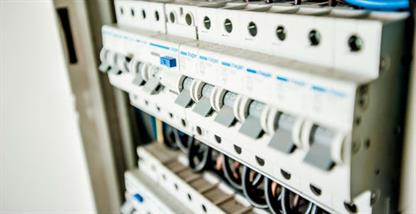
Damaged cords, overloaded outlets, and poorly maintained appliances can cause shocks or fires.
Replace cords with exposed wires, burn marks, or loose plugs. Extension cords should be used temporarily rather than as permanent wiring. Avoid running them under carpets, across doorways, or through areas where they may be damaged.
Large appliances should be connected directly to suitable wall outlets. Do not overload power strips with heaters, cooking appliances, or equipment that draws significant electricity.
Budget planning can help families prioritize repairs. General household budgeting information may be useful when separating urgent safety expenses from cosmetic upgrades. Fix exposed wiring, unstable outlets, roof leaks, and structural hazards before spending money on decorations.
Make Bedrooms Safer
Bedrooms should provide a clear path to the door. Furniture should not block windows that may be needed as emergency exits.
Secure tall dressers, wardrobes, bookshelves, and televisions to the wall. Children may attempt to climb furniture or pull drawers open, causing heavy pieces to tip forward.
Keep blind and curtain cords away from beds and cribs. Cordless window coverings are safer for young children.
Avoid charging phones, tablets, or battery devices beneath pillows or blankets. Heat can build up when ventilation is blocked.
Prepare for Emergencies
Every family should maintain a basic emergency supply area. Store water, shelf-stable food, flashlights, batteries, first-aid materials, necessary medications, and copies of important contact information.
Supplies should be easy to reach but protected from children and pets. Review expiration dates and replace items when needed.
Post emergency contact numbers in a visible place. Children who are old enough should know their address, a trusted adult’s phone number, and how to contact emergency services.
Broader family safety and preparedness resources can help households create plans for power outages, severe weather, medical incidents, and temporary evacuations.
Include Every Family Member
Home safety rules work best when everyone understands them. Explain the reason behind each rule instead of expecting family members to follow instructions without context.
Assign age-appropriate responsibilities. Young children can place toys in storage bins. Teenagers can help test alarms and identify damaged cords. Adults can review insurance documents, maintain appliances, and coordinate emergency supplies.
Older relatives should be asked what changes would help them move through the home confidently. They may benefit from brighter lighting, easier-to-turn handles, seating near entryways, or rearranged storage.
The best home safety plan develops with the family. Review the property after a child begins crawling, an older relative moves in, a renovation is completed, or new equipment is purchased. A safe home is not a perfect home. It is a home where hazards are noticed, discussed, and corrected before they cause harm.