Busy families often struggle to keep their homes clean while managing work, school, meals, appointments, and personal responsibilities. Cleaning can easily move to the bottom of the priority list until mess begins affecting comfort and daily routines.
The solution is not to create an unrealistic cleaning plan. Families need simple systems that make it easier to control clutter, dirt, laundry, and dishes without spending an entire day cleaning.
Useful family home-care recommendations often begin with one principle: every person who uses the home should contribute to maintaining it. Cleaning becomes much easier when tasks are divided fairly and completed regularly.
Give Every Item a Permanent Home
A large amount of household clutter comes from items that do not have designated storage locations. Bags are left near doors, paperwork gathers on tables, and toys spread across living spaces.
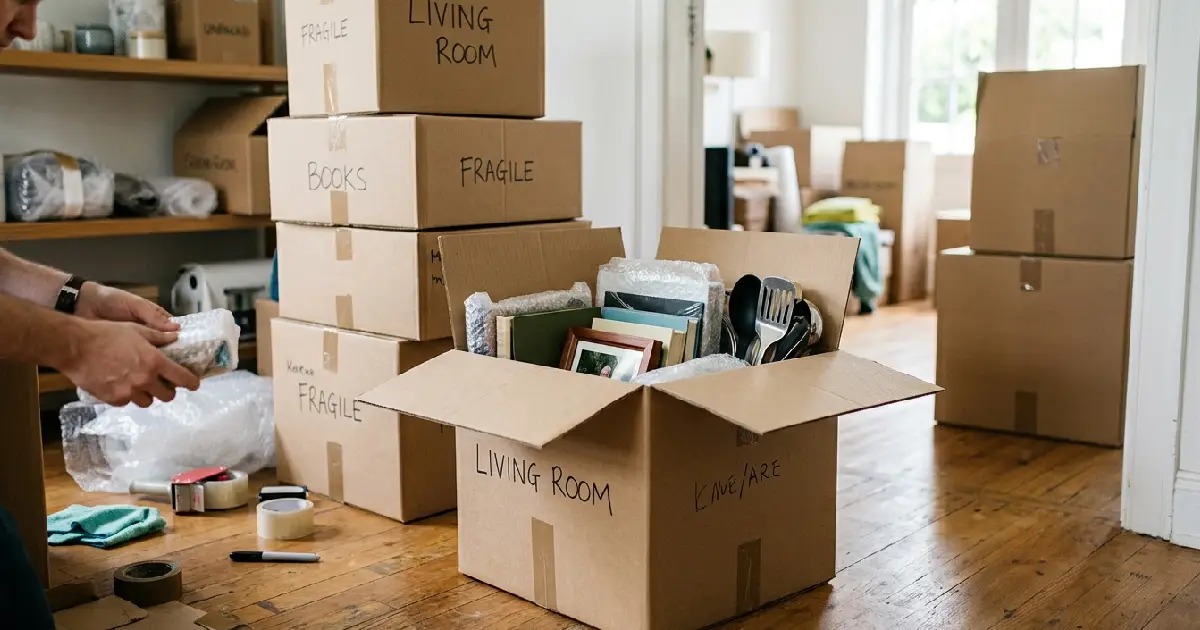
Create specific storage areas for common belongings. Use baskets for toys, hooks for coats, trays for keys, and labelled containers for school supplies. Store items close to where they are normally used.
Avoid buying storage containers before sorting the items. Remove unwanted, broken, or unused belongings first. Otherwise, the family may spend money organizing objects that should have been donated or discarded.
Teach children where their belongings belong. Clear labels or simple pictures can help younger children identify the correct boxes and drawers.
Use Short Cleaning Sessions
Families do not always have several uninterrupted hours available. Short cleaning sessions can still produce noticeable results.
Set a timer for ten or fifteen minutes and focus on one room or task. Family members can clean different areas at the same time. One person might load the dishwasher while another gathers laundry and someone else organizes the living room.
Those searching for time-saving household solutions should avoid switching between too many tasks. Completing one small area provides a stronger result than beginning several jobs without finishing any of them.
A short session before dinner and another before bed may be enough to maintain the main living areas during the working week.
Create a Simple Family Cleaning Chart
A cleaning chart helps prevent confusion about who is responsible for each task. Keep the chart visible and easy to understand.
Assign age-appropriate jobs. Younger children can collect toys, place dirty clothing in baskets, or wipe low surfaces. Older children can vacuum, empty bins, fold laundry, or help with dishes.
Adults can handle tasks involving strong cleaning products, heavy furniture, electrical equipment, and difficult stains. Rotate unpopular jobs so the same person is not always responsible.
Avoid filling the chart with dozens of daily duties. Choose a few important tasks and spread larger jobs across the week.
Clean While Completing Other Activities
Small cleaning tasks can be handled during moments that would otherwise be wasted. Wipe kitchen counters while waiting for water to boil. Organize a drawer while talking on the phone. Clean the bathroom mirror while children finish brushing their teeth.
The aim is not to make every free moment productive. It is to connect quick jobs with natural pauses in the day.
Keep appropriate supplies in convenient locations. A small bathroom cleaning kit can contain a microfiber cloth, mirror cleaner, and surface spray. Kitchen products should remain safely stored but easy for adults to access.
Control the Daily Dish Problem
A sink filled with dishes can make the entire kitchen feel dirty. Encourage everyone to scrape plates, rinse them when necessary, and place them directly in the dishwasher.
Run the dishwasher when it is full and empty it as soon as practical. Family members cannot load dirty dishes when clean dishes remain inside.
In homes without a dishwasher, wash dishes after meals rather than allowing them to collect all day. Letting each family member wash their own cup or snack plate can reduce the evening workload.
Reliable cleaning advice for active households often recommends clearing the kitchen before bedtime. Starting the morning with an empty sink makes breakfast preparation easier.
Keep Floors Manageable
Floors collect crumbs, dust, pet hair, and outdoor dirt. Focus daily attention on the kitchen, dining area, entrance, and other high-traffic spaces.
Use entrance mats and establish a household rule for muddy shoes. Keep a small broom or cordless vacuum nearby for quick cleanups.
Do not wait until the entire floor needs cleaning. Remove visible mess immediately, especially food spills that may become sticky or attract pests.
Schedule deeper vacuuming and mopping for specific days. This creates consistency without making floor cleaning a daily burden in every room.
Simplify Laundry Management
Laundry becomes stressful when dirty clothes, clean clothes, towels, and bedding are mixed together.
Place laundry baskets in practical locations. Teach family members to check pockets and separate items according to the household system.
Choose regular washing days rather than waiting for every basket to overflow. Complete the entire process by drying, folding, and putting clothing away.
Pair socks using mesh laundry bags when missing socks are a recurring issue. Wash each family member’s socks in a separate bag or assign different styles to reduce sorting time.
Remove Clutter From Flat Surfaces
Kitchen counters, dining tables, desks, and sideboards attract random household items. Once a few objects are left behind, more clutter usually follows.
Clear these surfaces at least once a day. File paperwork, return products to cupboards, and place personal belongings in the correct rooms.
Use one temporary collection basket for items that need to be relocated. Empty it at the end of the cleaning session. Do not allow it to become permanent storage.
Keeping counters mostly clear also makes wiping and disinfecting much faster.
Prepare for Unexpected Messes
Homes with children and pets will experience spills, muddy footprints, and accidental damage. Preparing for these events reduces frustration.
Keep clean cloths, paper towels, stain remover, a dustpan, and rubbish bags available. Store products safely away from children while ensuring adults can reach them quickly.
Blot liquid spills instead of rubbing them into carpet or upholstery. Check the care label before applying a cleaning solution.
Responding quickly can prevent a temporary mess from becoming a permanent stain.
Schedule One Weekly Family Reset
Choose one time each week when everyone helps restore the home. The session might include changing bedding, vacuuming bedrooms, cleaning bathrooms, and organizing shared areas.
Keep the session focused and reasonably short. Play music, assign clear tasks, and stop when the agreed work is complete.
Families following practical everyday living updates may find that predictable routines reduce arguments. When everyone knows when cleaning happens and what they must do, responsibilities become easier to manage.
A clean family home does not need to look like an untouched showroom. It should provide safe floors, usable rooms, clean bathrooms, manageable laundry, and a kitchen ready for the next meal. Small routines, shared responsibility, and convenient storage can deliver those results without consuming the family’s limited free time.