Recovering a property after a fire is a complex process that requires skill, planning, and careful attention to detail. While the visible destruction often captures the most attention, professionals know that many of the toughest issues are hidden beneath the surface. Every fire leaves behind a unique combination of structural damage, smoke residue, water from firefighting efforts, and lingering odors. Successfully restoring a property means addressing all of these concerns without creating new problems.
Understanding the common challenges encountered during fire damage repair helps property owners appreciate why professional restoration is such a detailed process.
Assessing Hidden Structural Damage
One of the biggest challenges is determining how much of the building remains structurally sound. Fire can weaken wood, steel, concrete, and other construction materials even when they appear intact. Floors, ceilings, roof supports, and load-bearing walls may have lost their strength because of prolonged exposure to extreme heat.
Professionals perform detailed inspections before beginning repairs. This step is essential because overlooking hidden structural weaknesses could compromise both safety and the success of the restoration project.
Managing Smoke and Soot Residue
Smoke and soot spread far beyond the area where the fire started. Tiny particles settle on walls, ceilings, furniture, HVAC systems, and personal belongings. Different kinds of fires make different kinds of soot, and each type needs its own cleaning method.
Removing soot without damaging surfaces is often a delicate process. Some materials require dry cleaning techniques, while others need specialized chemical treatments. Professionals must choose the right approach for every surface to avoid permanent staining or additional damage.
Addressing Water Damage After Firefighting
Although fire causes the initial destruction, water used to extinguish the flames often creates another serious problem. Saturated drywall, flooring, insulation, and wooden structures can quickly develop mold if they are not dried properly.
During fire damage repair, restoration teams must balance cleaning fire-related damage while simultaneously removing excess moisture. Industrial drying equipment and moisture monitoring tools help ensure that hidden damp areas are fully addressed before reconstruction begins.
Eliminating Persistent Smoke Odors
Smoke smells can last for a long time after the damage has been fixed. Particles of smell can get through porous materials like carpets, insulation, upholstery, and even wooden framing.
Not covering up bad smells is not enough. Professionals in restoration use cutting-edge deodorization methods that get rid of smell particles where they come from. Depending on how bad the fire is and what materials are involved, this often needs more than one treatment.
Salvaging Valuable Belongings
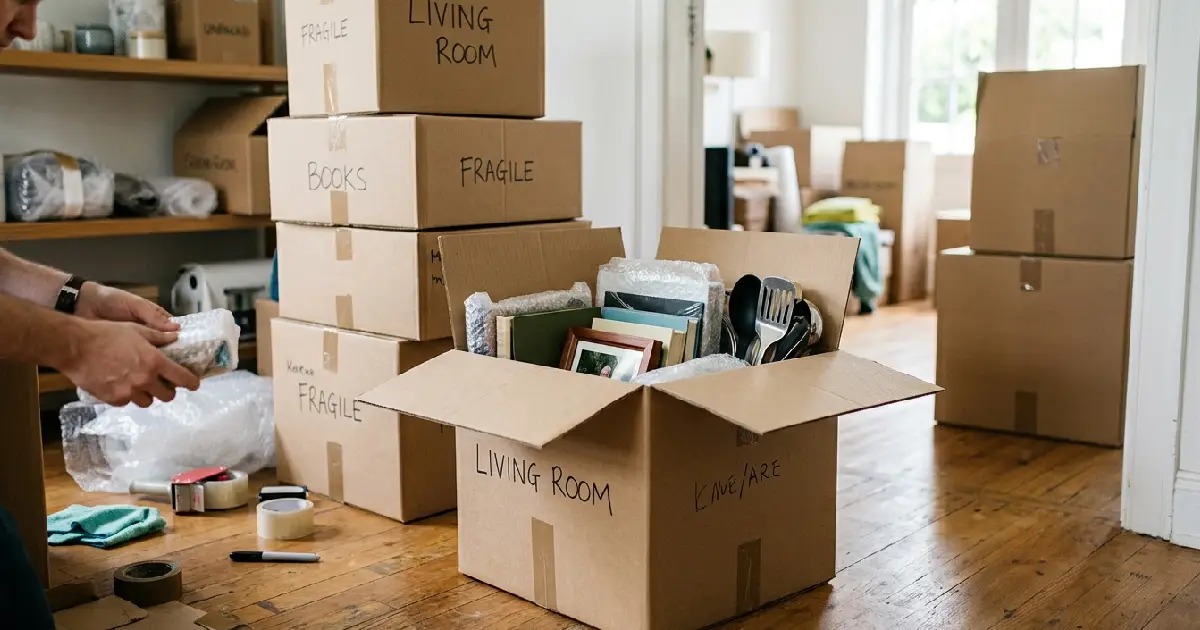
Every restoration project involves difficult decisions about what can be saved and what must be replaced. Family heirlooms, business records, electronics, artwork, and furniture may all require specialized cleaning techniques.
Professionals evaluate each item carefully before recommending restoration or replacement. The goal is to preserve as many valuable belongings as possible while ensuring they are safe for continued use.
Working With Multiple Building Materials
Modern properties contain a wide variety of construction materials, each responding differently to fire. Wood may char, metal can warp, glass may crack, and certain synthetic materials release residues that require specialized cleaning.
Because every material behaves differently, restoration professionals must apply customized repair methods throughout the project. This level of expertise helps prevent unnecessary replacements while maintaining the integrity of the property.
Coordinating Reconstruction Efficiently
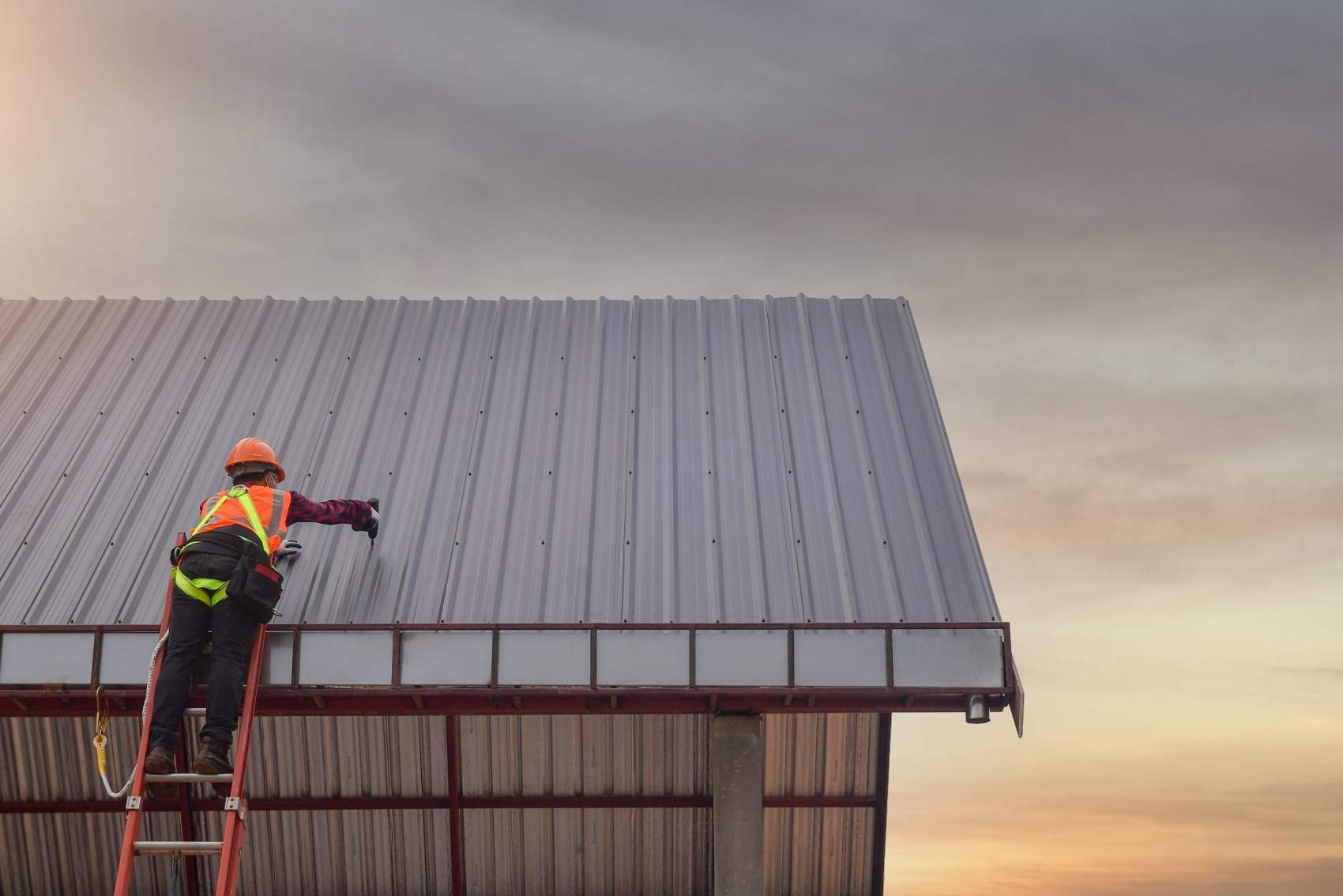
Repairing fire damage often involves multiple trades working together. Structural repairs, electrical work, plumbing, painting, flooring installation, and finishing work must be completed in the correct order.
Careful project coordination helps reduce delays and ensures every stage meets safety and quality standards. Good communication among restoration specialists also minimizes disruptions for property owners eager to return to normal life.
Meeting Safety and Building Standards
Restoration work must comply with current building codes and safety regulations. Older properties may require upgrades during reconstruction, especially if electrical systems, insulation, or structural components no longer meet modern requirements.
Professionals carefully plan repairs that restore the property while ensuring it complies with applicable standards. This approach provides greater long-term safety and reliability.
Conclusion
Every fire restoration project presents unique obstacles that require technical knowledge, specialized equipment, and careful planning. From identifying hidden structural issues to removing smoke residue, drying water-damaged materials, eliminating odors, and coordinating reconstruction, restoration professionals face numerous challenges throughout the process. A thorough and systematic approach to fire damage repair not only restores the appearance of a property but also helps ensure it is safe, functional, and prepared for years of future use.